

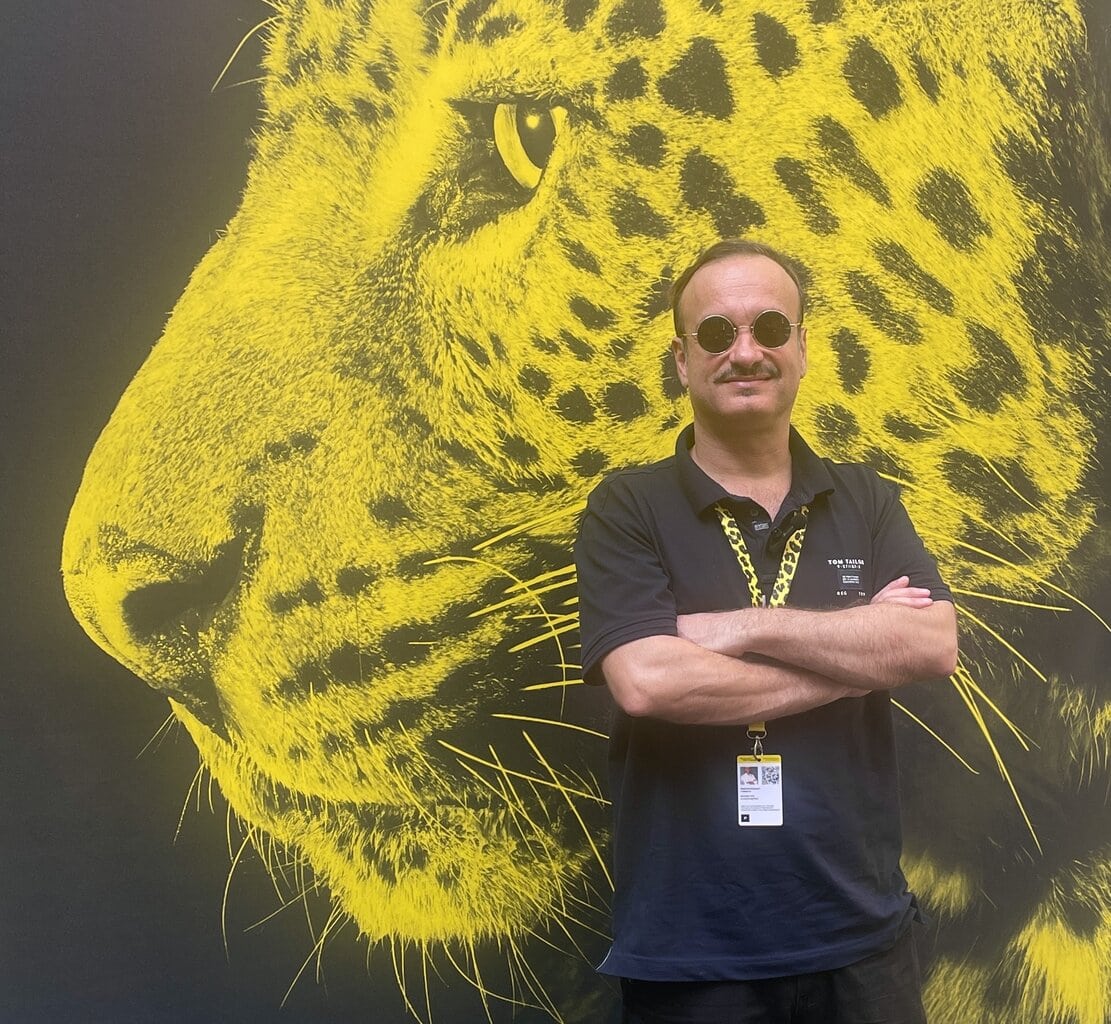
کارگردان و منتقد سینما
Majid Movasseghi, Zurich| Alireza Khatami is among those filmmakers whose professional path has, from the outset, been closely tied to festival driven and idea oriented cinema. His debut feature, Los Versos del Olvido (Oblivion Verses, 2017), premiered in the Orizzonti section of the Venice Film Festival and received multiple awards. The film made clear that Khatami’s primary concerns lie less in classical storytelling than in memory, forgetting, and the hidden forms of violence embedded within historical layers. His subsequent collaboration with Ali Asgari, Terrestrial Verses, continued along the same trajectory: a minimalist cinema grounded in concepts and allegory, deliberately distanced from conventional narrative structures.
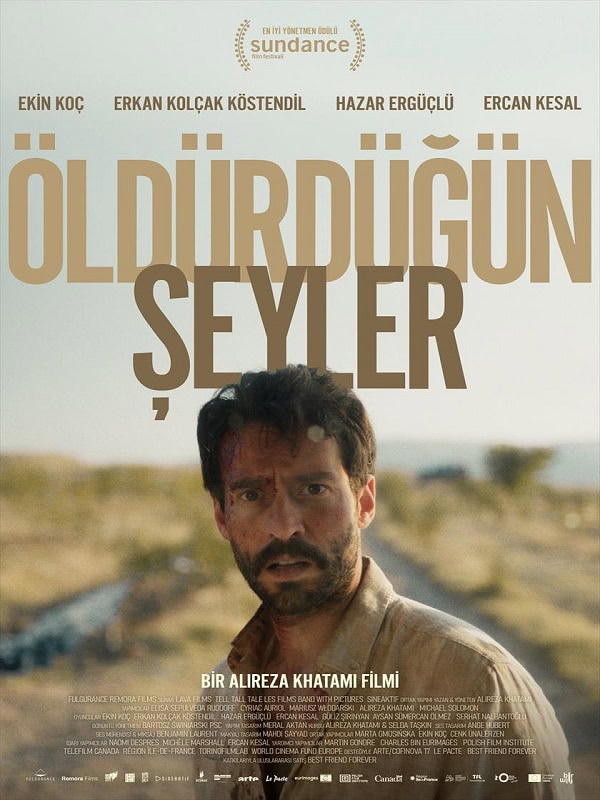
Khatami’s third feature, The Things You Kill, is a co production between Canada, Turkey, and several European countries. Originally intended to be shot in Iran, the film was ultimately produced in Turkey. Following its premiere at the Sundance Film Festival, where it received the Best Director award in the World Cinema Dramatic section, the film was later selected as Canada’s official submission for the Academy Awards. The selection further consolidated Khatami’s international standing while also drawing attention to a growing phenomenon: Iranian filmmakers increasingly representing countries other than Iran on the global stage. In recent years, similar cases have emerged, such as Mohammad Rasoulof’s The Seed of the Sacred Fig representing Germany, and films by Jafar Panahi being submitted by France.
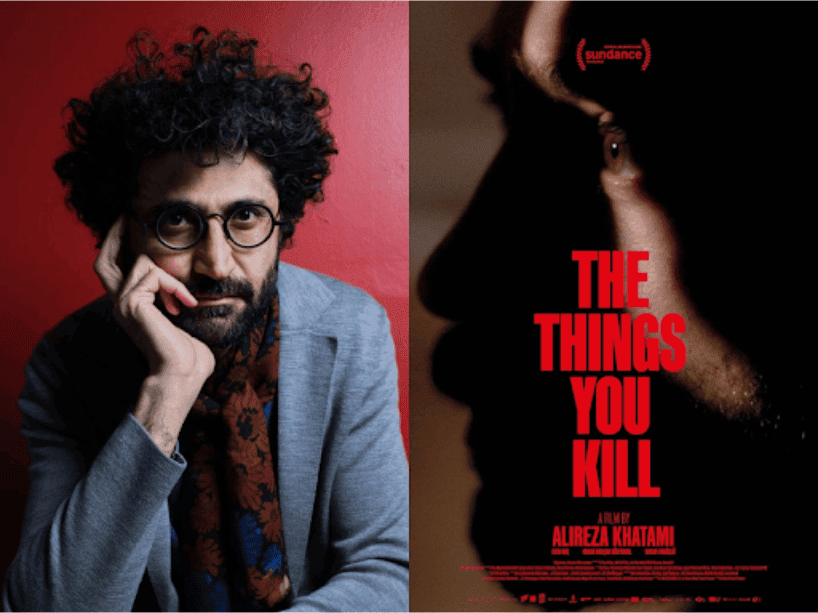
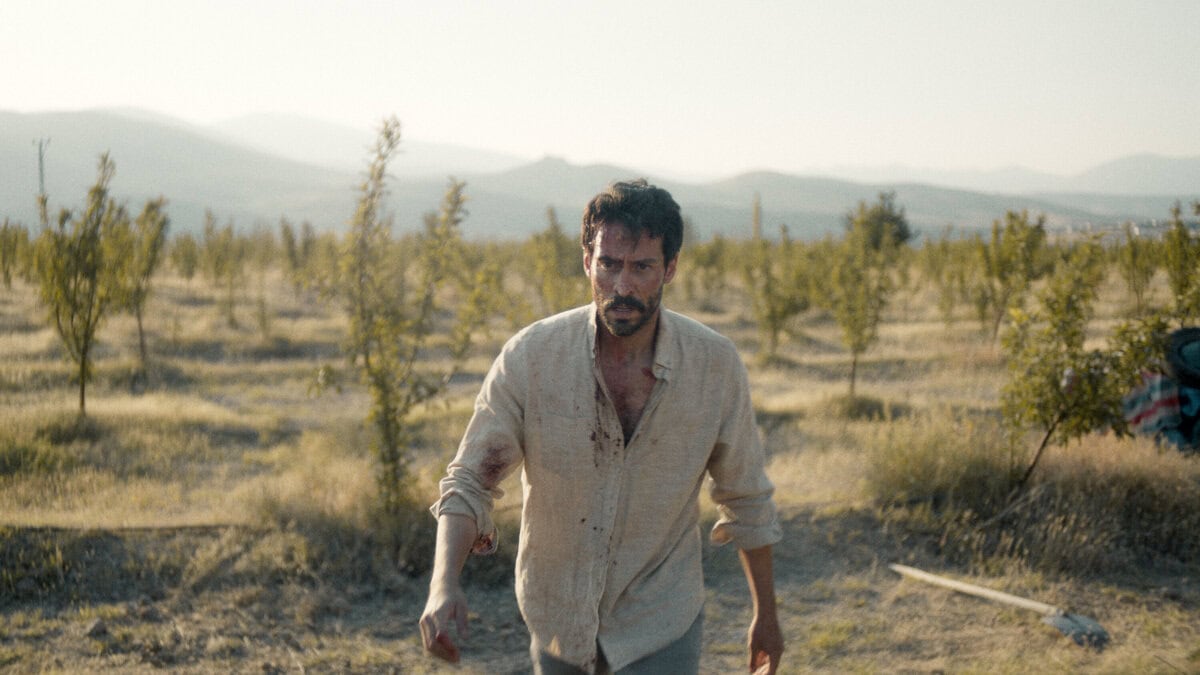
At the level of concept, The Things You Kill is an intellectually engaging work. The film follows Ali, a university professor who returns to his family home after the suspicious death of his mother, only to confront an unresolved past. The presence of Reza, the family gardener, as a kind of double or reflected self stands out as one of the screenplay’s strongest elements. This encounter evokes the cinema of David Lynch and the notion of psychological duality. Ali seems to recognize himself in the other, though not in a clear mirror, but rather in a surface that distorts and fractures the image it reflects.
The film’s central challenge lies in translating this compelling idea into concrete dramatic action. Many of the forces driving the narrative are conveyed through dialogue rather than being constructed through action and situation. The conflict between Ali and his father, which could serve as the emotional backbone of the film, emerges somewhat abruptly. The film offers limited groundwork for this tension, leaving the audience more informed than emotionally engaged, following explanations rather than experiencing the conflict as it unfolds.
This shortcoming is also visible in the direction of performances. Ali, introduced as a university professor, does not consistently project the physical or behavioral coherence that would convincingly establish this position. Certain repeated gestures such as nervous leg movements, excessive pencil sharpening, or other habitual actions appear intended to suggest inner turmoil. Yet without sufficient dramatic context these details remain underdeveloped and only partially effective. The issue lies less with the actors themselves, many of whom are well established figures in Turkish cinema, than with the absence of sustained and precise directorial guidance.
As a result, the film’s mise en scène often feels neutral, while dialogue carries much of the burden of meaning. This is notable because cinema, at its core, depends on image and action. In moments where silence, gaze, or bodily movement might have communicated more powerfully, the film tends to explain rather than reveal.
From an industrial and professional standpoint, the selection of The Things You Kill as Canada’s Oscar submission was a significant achievement, even though the film did not advance to the Academy’s preliminary shortlist. At the same time, the selection invites reflection on the criteria employed by festivals and institutions. In recent years, attention to political or social themes has at times overshadowed careful evaluation of aesthetic form and execution. While this does not invalidate such works, it risks reducing cinematic discourse to subject matter alone, a dynamic also evident in the reception of It Was Just an Accident, Jafar Panahi’s most recent film.
The Things You Kill is a serious and thoughtful film, one that clearly possesses the potential to become something more profound. Yet that potential is not fully realized. One might say that just as the film attempts to reflect its protagonist’s inner world, it falters slightly in the act of reflection itself, a mirror that still stands but bears subtle traces of incompletion.
Sometimes cinema functions like a mirror, reflecting what lies within: an image that is never entirely whole, marked by faint signs of fracture. The Things You Kill reaches for that reflection, capturing a moment when the mirror remains upright, yet its calm surface has quietly been disturbed.