
Majid Movasseghi
Film Critic
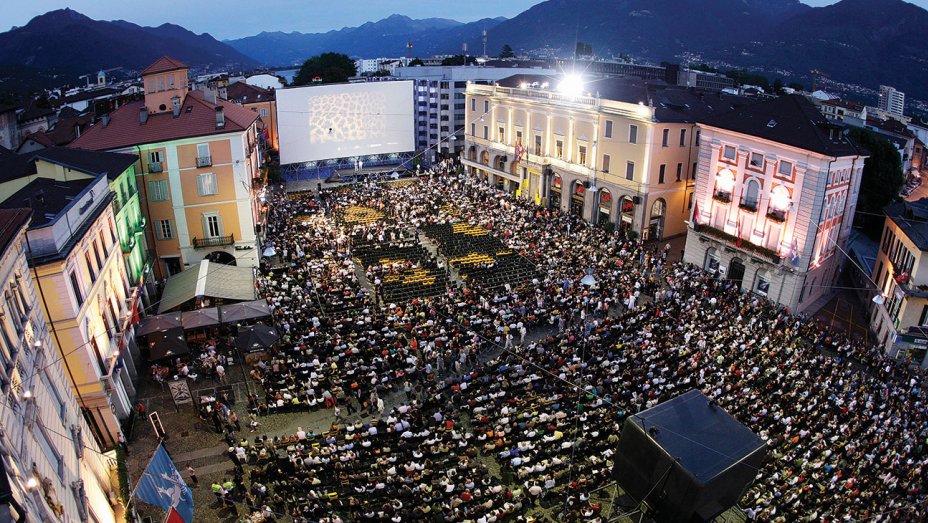
Majid Movasseghi, Locarno | The Locarno Film Festival holds a special place on the global cinematic calendar. Set among Switzerland’s mountains and lakes, the festival transforms the majestic Piazza Grande into an open air cinema where thousands gather each night under the stars. In its 78th edition, held from 6 to 16 August 2025, Locarno once again demonstrated that beyond welcoming international guests, it strives to create a warm, human, and inclusive experience for the public.
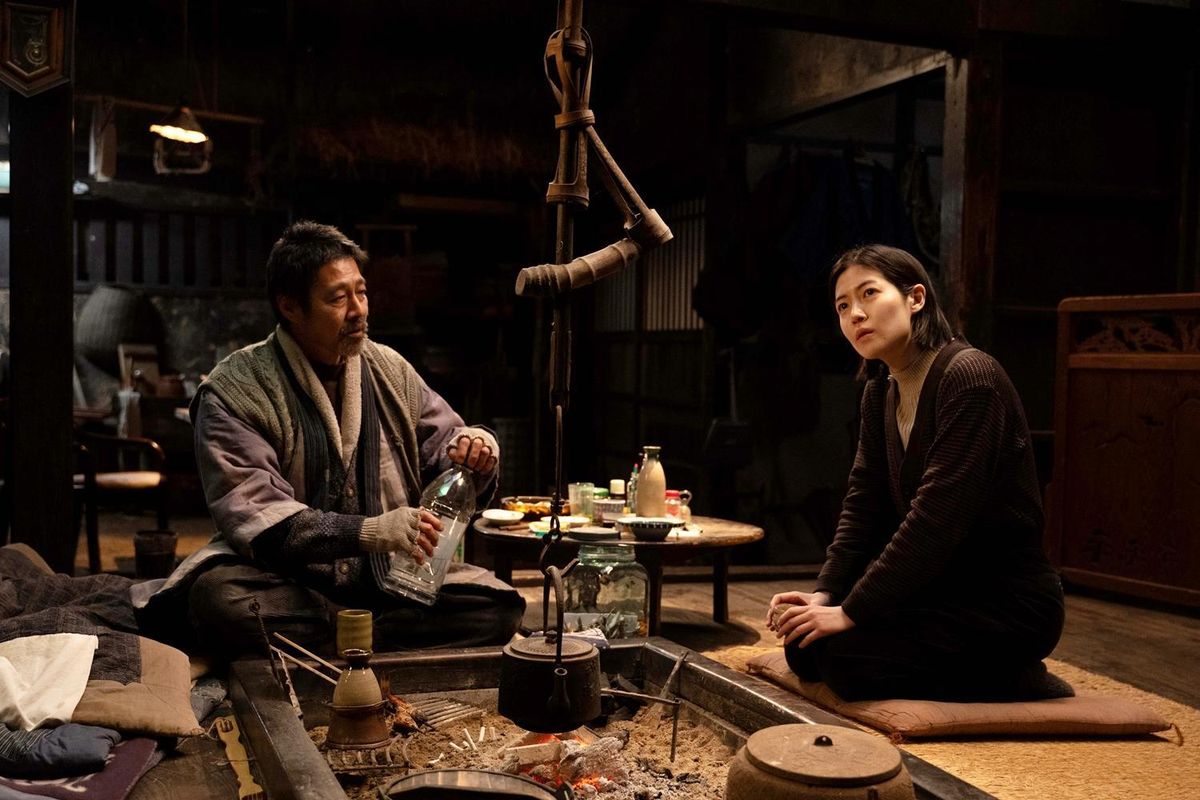
In the International Competition, Japanese director Sho Miyake won the festival’s top prize, the Golden Leopard, for Two Seasons, Two Strangers. The film stands out for its storytelling and subtle humor, adapting two manga stories by Yoshiharu Tsuge. American filmmaker Alexander Payne received the Leopard of Honour for lifetime achievement, while Eric Lin’s Rosemead won the Prix du Public UBS, the audience award. The festival opened with Tamara Stepanyan’s In the Land of Arto, featuring Zar Amir Ebrahimi. For me, however, the film felt somewhat uneven in direction and struggled to fully engage its audience. The festival closed with a new reinterpretation of Kiss of the Spider Woman by Bill Condon.
For me, however, Locarno 2025 was more than a list of winners and official screenings. One unexpected moment changed everything. I entered one of the festival’s parties without registration. My name was not on the list, but I had my festival pass. Seeing a group of guests walk inside, I simply followed them. That spontaneous moment of belonging marked the beginning of the experience that remains most vivid in my memory.
At that party, I had the opportunity to meet filmmakers whose work I had long admired. I spoke with Mohammad Rasoulof, whose films such as There Is No Evil had deeply influenced me, although at times I have found his approach emotionally heavy and monochromatic. Speaking with him, however, revealed a filmmaker open to dialogue and collaboration beyond the boundaries of cinematic debate.
I also encountered Jafar Panahi several times during the festival, often by chance. Lately he seems somewhat withdrawn, focused quietly on his own work, perhaps a natural response after years of interrogations and travel restrictions. I respect his demeanor, even if he is not outwardly warm. Throughout his career, Panahi has confronted both the artistic and political challenges of filmmaking in Iran, creating works that have become some of the most influential contributions of Iranian cinema on the international stage.
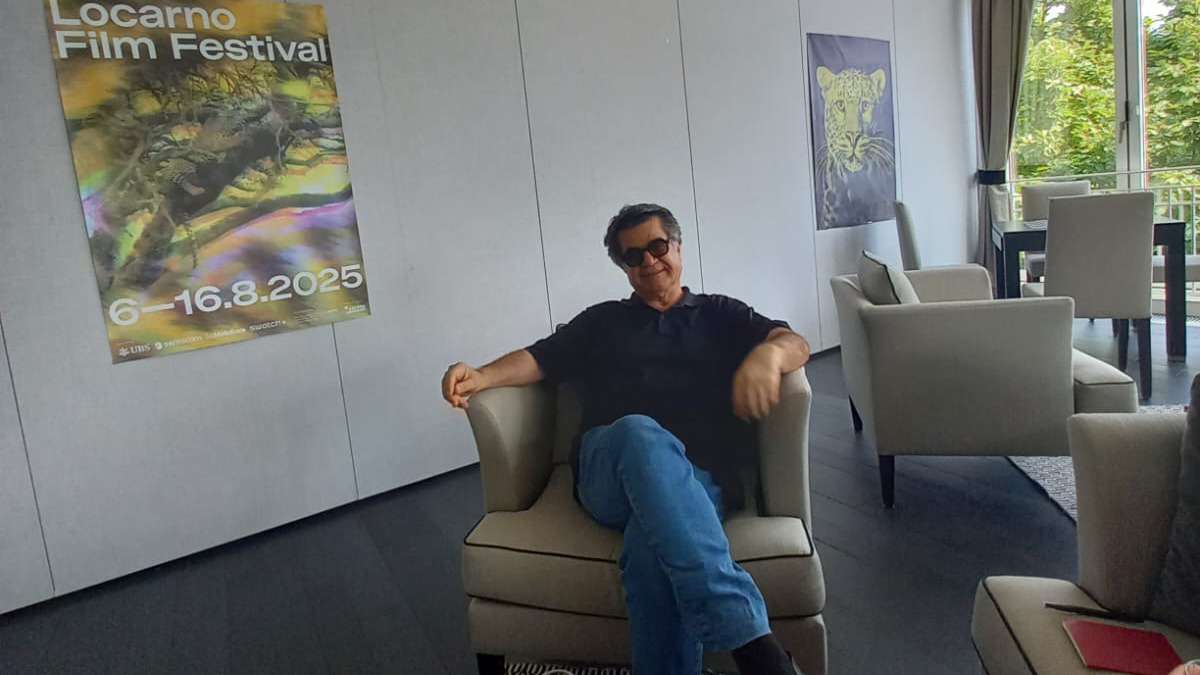
Years ago, when I was studying theater, I first encountered his film The White Balloon. At the time it had traveled to Cannes, echoing the curiosity and poetic simplicity of Albert Lamorisse’s Le Ballon Rouge. I remember watching the film in a cinema and realizing that Panahi himself was seated right behind me. I turned and asked him about his experience at Cannes and what advice he had for students. He replied honestly that if he had known more English at the time, he might have taken fuller advantage of the festival experience. Years later, when I reminded him of that conversation, he laughed and said he still does not speak English well, even after thirty years.
His work, including Ayeneh (The Mirror), remains structurally inventive and socially attentive, particularly in the way it addresses questions of women’s freedom through subtle observations of everyday life. Influenced by Italian Neorealism and through collaborations with filmmakers such as Kambozia Partovi, Panahi developed a cinematic language that places him among the most distinctive voices in contemporary world cinema.
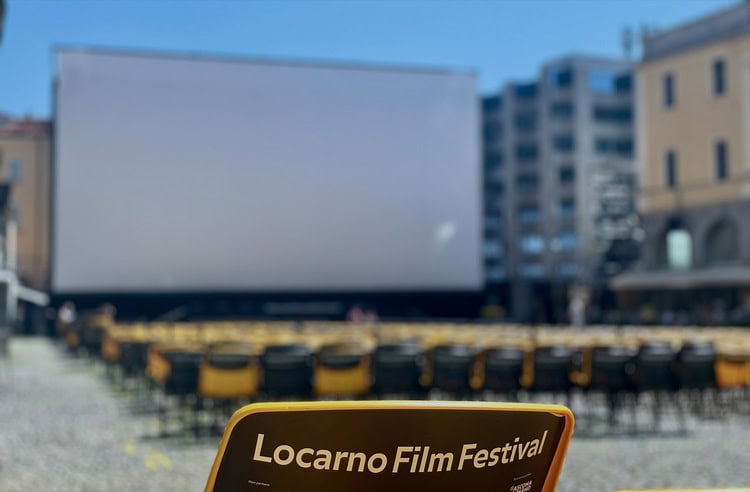
One evening, while a clip of his work was screened before nearly eight thousand viewers on the Piazza Grande, the largest open air cinema screen in the world, he appeared visibly moved. We later took a commemorative photograph together, and in that moment his presence reminded me how cinema often stands at the delicate intersection of art and politics. In some of his recent works, the political weight surrounding the films seems almost to overshadow the filmmaking itself, particularly in his latest film A Simple Accident.
During a post screening Campari gathering, I found myself discussing the film All That We Imagine as Light with Kani Casaroti. The film blends fiction and documentary elements while drawing from the everyday struggles of ordinary women. She kindly offered to pass along my thoughts to the director, Payal Kapadia, who had drawn global attention at Cannes 2024 and was serving at Locarno as a jury member in the Cineasti del Presente section. During that conversation I suddenly realized that the man seated beside us was Carlos Reygadas, a filmmaker who has often demonstrated that the power of cinema lies not in imposed meaning but in the living presence of images themselves.
Simple exchanges were enough to bring all these emotions to life. Conversations moved easily from Iranian cinema to festival highlights, and sometimes to the weaker films that inevitably appear in every program. By the end of the night emails had been exchanged, photographs taken, and warm embraces shared.
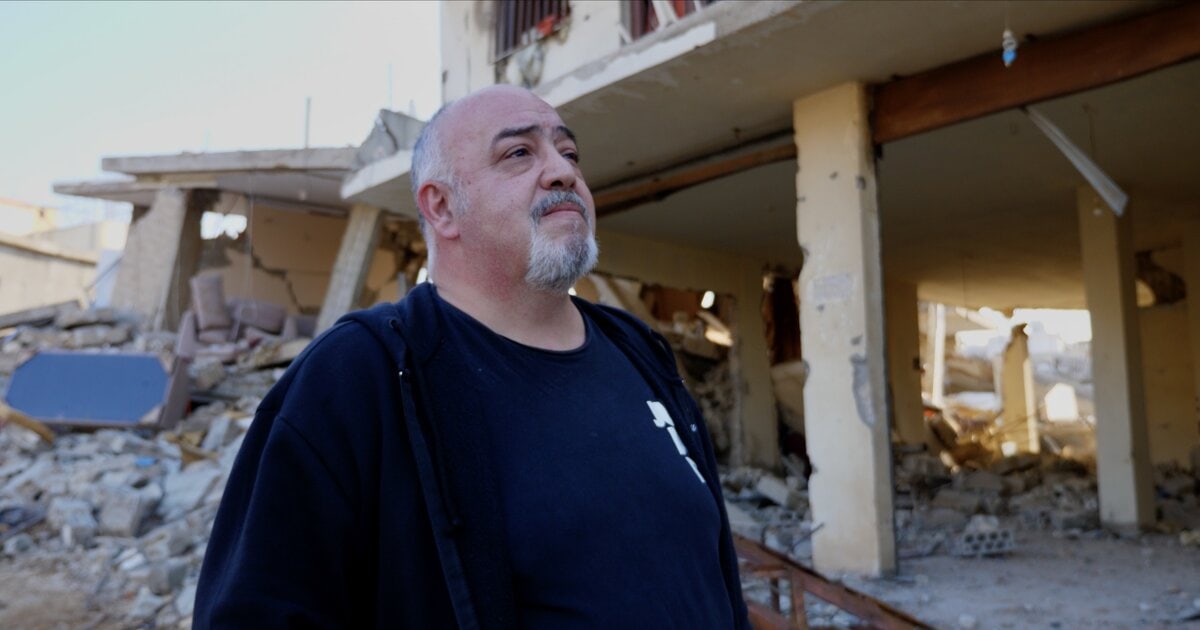
The following day, after the awards ceremony, another brief encounter left a lasting impression. Standing with Reygadas and Lebanese director Abbas Fahdel, who had just received the award for Best Direction, I experienced a quiet moment of connection that seemed to transcend borders, criticism, and professional positions.
For me, Locarno 2025 offered a simple reminder. Cinema is more than what appears on the screen. It lives in spontaneous conversations, accidental gatherings, and sincere connections between artists whose public reputations may differ greatly from who they are in private moments. Perhaps in cinema we are all “random knights,” moving between quick judgments and sudden acts of kindness. It is precisely these contradictions that make festivals like Locarno vibrant, unpredictable, and profoundly human.