
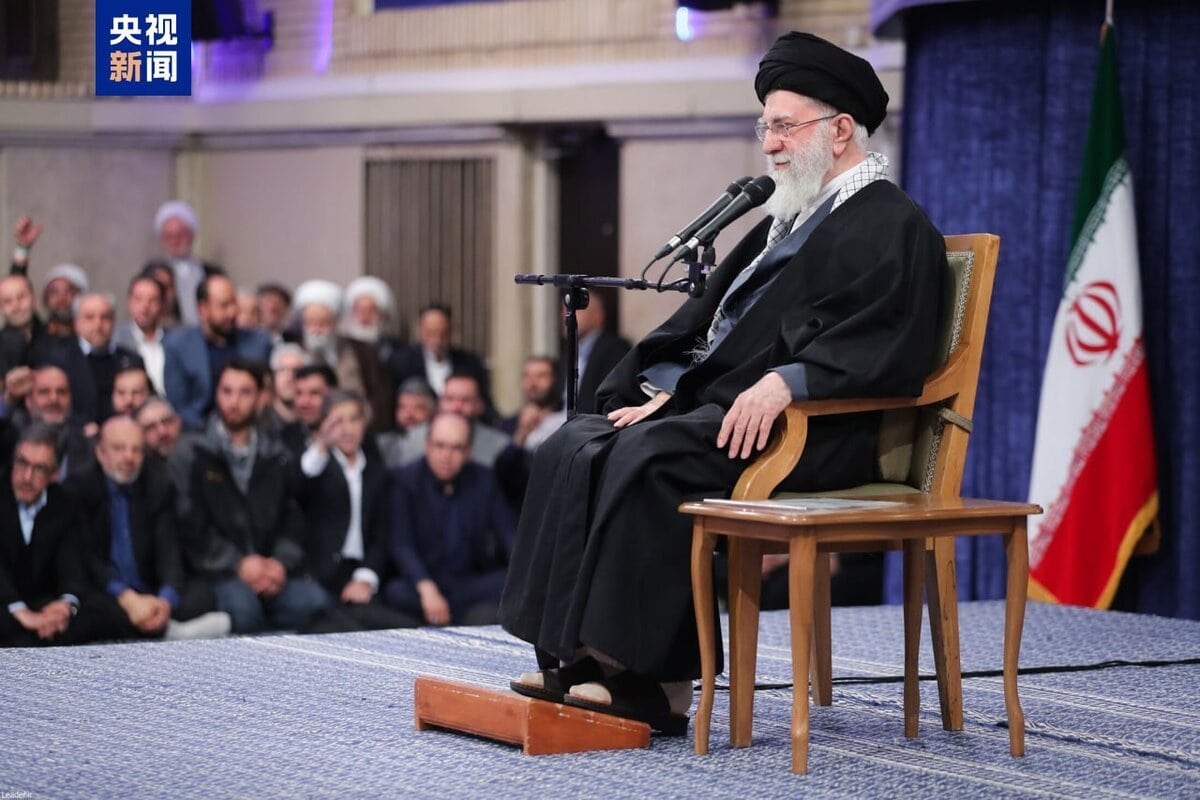
Pooyan Tabatabei, Tehran / Toronto | Ayatollah Sayyid Ali Hosseini Khamenei, Iran’s 86-year-old Supreme Leader and the most powerful figure in the Islamic Republic for nearly four decades, was killed Saturday during the opening wave of a sweeping joint U.S.–Israeli military operation targeting Iran’s security and command infrastructure. The strikes began in the pre-dawn hours of February 28, marking one of the most consequential escalations in Middle Eastern geopolitics in a generation.
In the immediate aftermath of the attack, conflicting accounts deepened uncertainty. Israeli Prime Minister Benjamin Netanyahu said there were “growing signs” Khamenei had been killed, while President Donald Trump declared later that afternoon on Truth Social that Washington believed the reports were correct. Iranian officials initially rejected the claim. Foreign Minister Abbas Araghchi said earlier in the day that, “as far as I know,” the Supreme Leader remained in good health. State-linked media described the reports as “mental warfare.” Hours later, at approximately 5:00 a.m. Tehran time on March 1, Iranian state television formally confirmed Khamenei’s death and announced a period of national mourning.
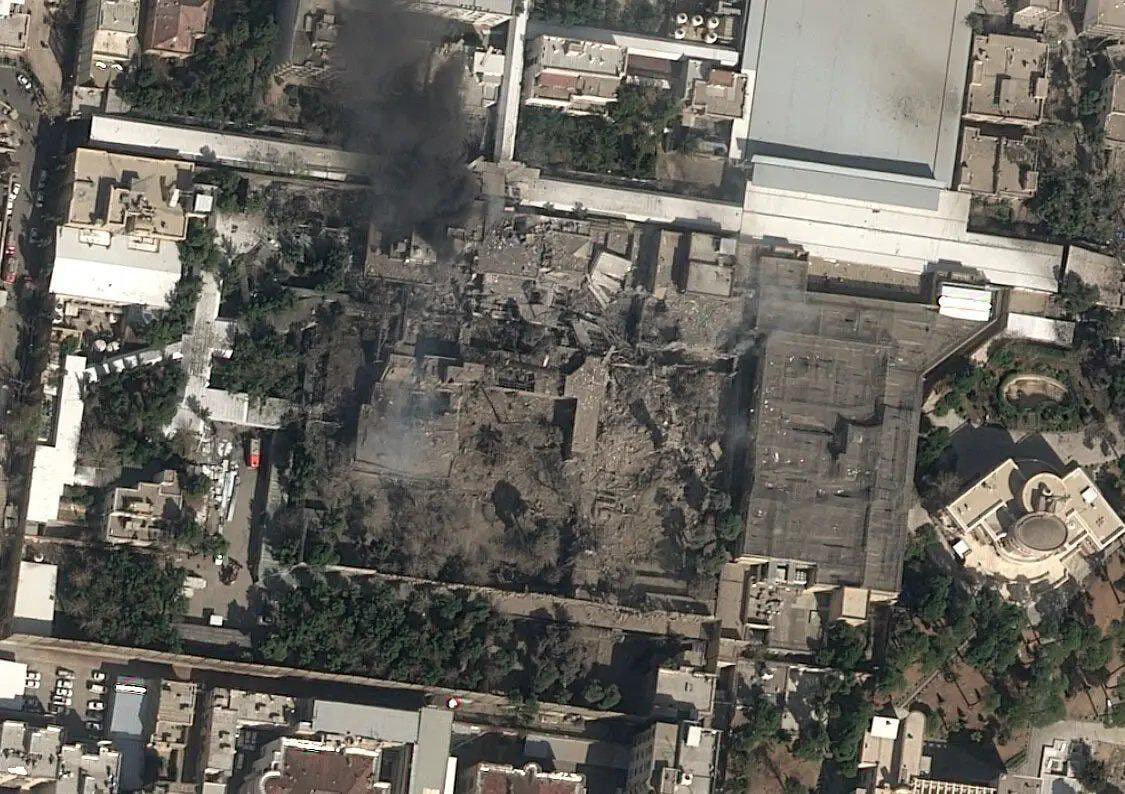
Khamenei assumed leadership in 1989 following the death of Ayatollah Ruhollah Khomeini and went on to rule Iran for more than 36 years, exercising ultimate authority over the armed forces, judiciary, state broadcasting and key political institutions. Over that period, he consolidated clerical control over the state and became the central pillar of Iran’s ideological and security architecture.
He was the main figure who disregarded and held back many arisen opportunities for Iranian reform and meaningful democratic change. Reformist currents were repeatedly constrained by oversight bodies loyal to his office, and dissent was frequently met with repression. During the latest nationwide unrest, rights organizations and domestic sources estimate that the number of protesters killed rose beyond 30,000, making it one of the deadliest periods of internal upheaval since the 1979 revolution.
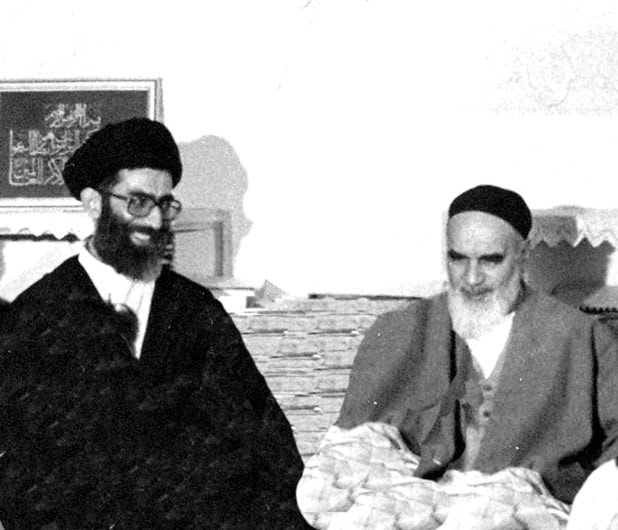
Saturday’s military operation — described by U.S. officials as a coordinated effort to dismantle missile and nuclear infrastructure — struck dozens of sites across Iran, including locations in Tehran linked to senior leadership and military command. Explosions were reported in multiple provinces. Iran responded within hours, launching missiles and drones toward Israeli territory and U.S. military assets across the region, widening the confrontation and raising fears of a broader regional war.
The death of Khamenei represents more than the removal of a political leader. It marks a seismic moment in the evolution of the Islamic Republic and in the balance of power across the Middle East. For nearly four decades, he embodied the continuity of Shiite political authority in Iran and oversaw Tehran’s expansion of influence through allied movements across Lebanon, Iraq, Syria and beyond.
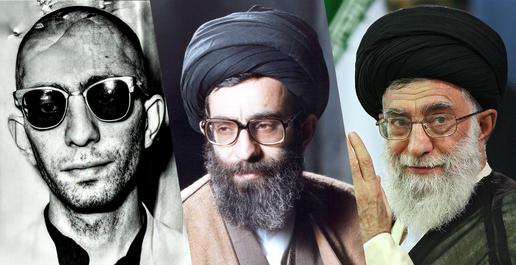
Attention now turns to succession. Under Iran’s constitution, the Assembly of Experts (The Leadership Council) is responsible for selecting a new Supreme Leader, though the process has never unfolded without the gravitational pull of Khamenei’s authority. The world is watching closely to see who will assume control of the government and whether the transition will entrench the existing system or open an unpredictable new chapter.
For Iranians and for the international community, this is not merely the end of a tenure. It is a pivotal turning point in the political future of the Islamic Republic and a defining moment in the trajectory of Shiite power and regional security in the Middle East.