

The Sound of Growth on Toronto’s Waterfront
Expansion of Billy Bishop Airport and the redefinition of noise pollution in the heart of Toronto
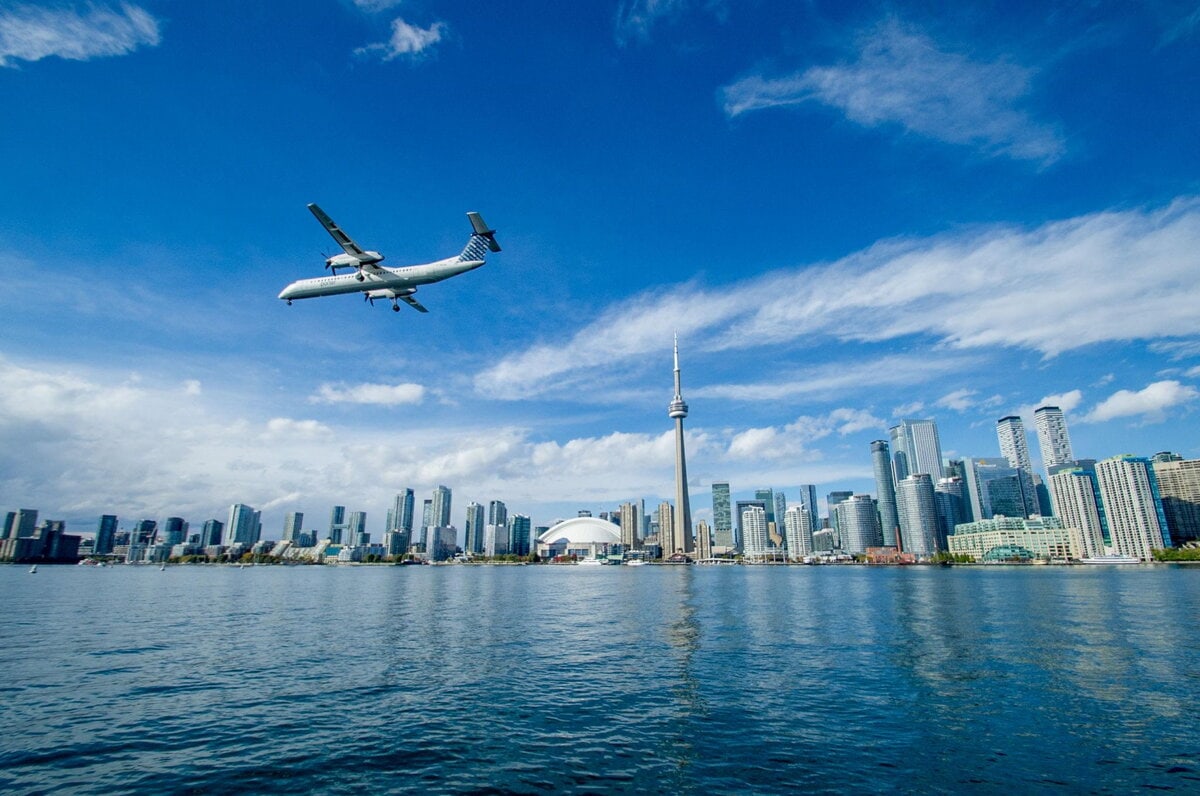
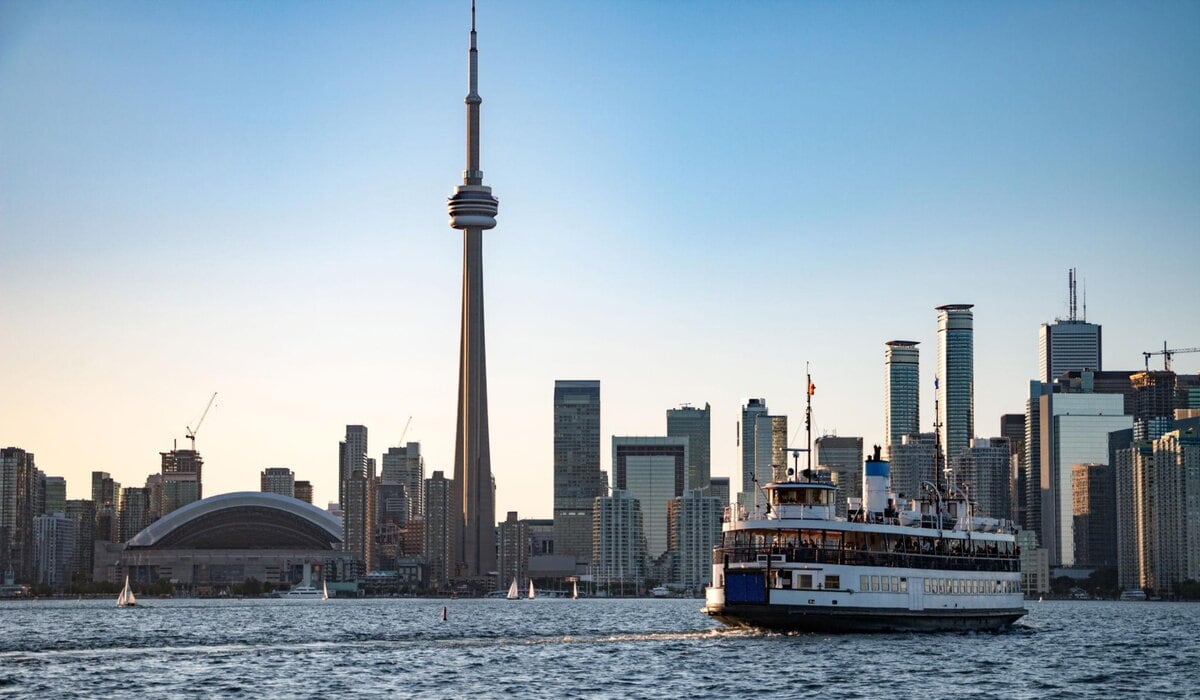
Behnaz Rahbar, Toronto | I was on the ferry on a summer day heading toward Toronto Island. As we got closer, the skyline opened up slowly, glass towers catching the light, the city stretching along the edge of the lake. Then a plane cut across the frame, descending toward the island, completing the scene with almost cinematic precision. I looked again, more carefully this time.
Planes were landing. Trains were moving. Boats were cutting through the water. Cars were rolling steadily along Lakeshore Boulevard. Everything was in motion. For a moment, it felt like I was watching the mechanics of a global economy unfolding in real time. Every system working at once. Every layer connected. A rare alignment of geography, infrastructure and ambition. It felt like a symbol of a functioning city, a confident economy, a place that knows exactly where it is going. But symbols have weight. And they carry consequences.
On March 23, 2026, Premier Doug Ford announced that Ontario intends to take over the City of Toronto’s role in the agreement governing Billy Bishop Toronto City Airport, while also acquiring city owned lands tied to the airport. The move would reposition the province at the center of decision making for one of the most strategically located urban airports in North America and clear the path for long term expansion.

“We’re unlocking Billy Bishop Airport’s full potential by expanding the airport so we can bring cheaper flight options, more routes and more convenience to the millions of people from across Ontario who use this airport every year,” Ford said, framing the plan as both an economic necessity and a competitive advantage. With an upgraded airport on the waterfront, he added, Toronto and Ontario would be better positioned to compete with major global cities.
The argument behind the expansion is rooted in scale and inevitability. The Greater Golden Horseshoe is already one of North America’s fastest growing regions and is projected to grow from 11 million people in 2025 to nearly 14 million over the next quarter century. Across the province, the population is expected to surpass 20.5 million by 2051, placing sustained pressure on transportation systems that are already operating near capacity.
“With Ontario’s population expected to grow to more than 20.5 million by 2051, it’s critical that we build the infrastructure needed to support that growth and keep people and goods moving,” said Prabmeet Sarkaria, Ontario’s Minister of Transportation, pointing to Billy Bishop as an underused asset within a broader regional network.
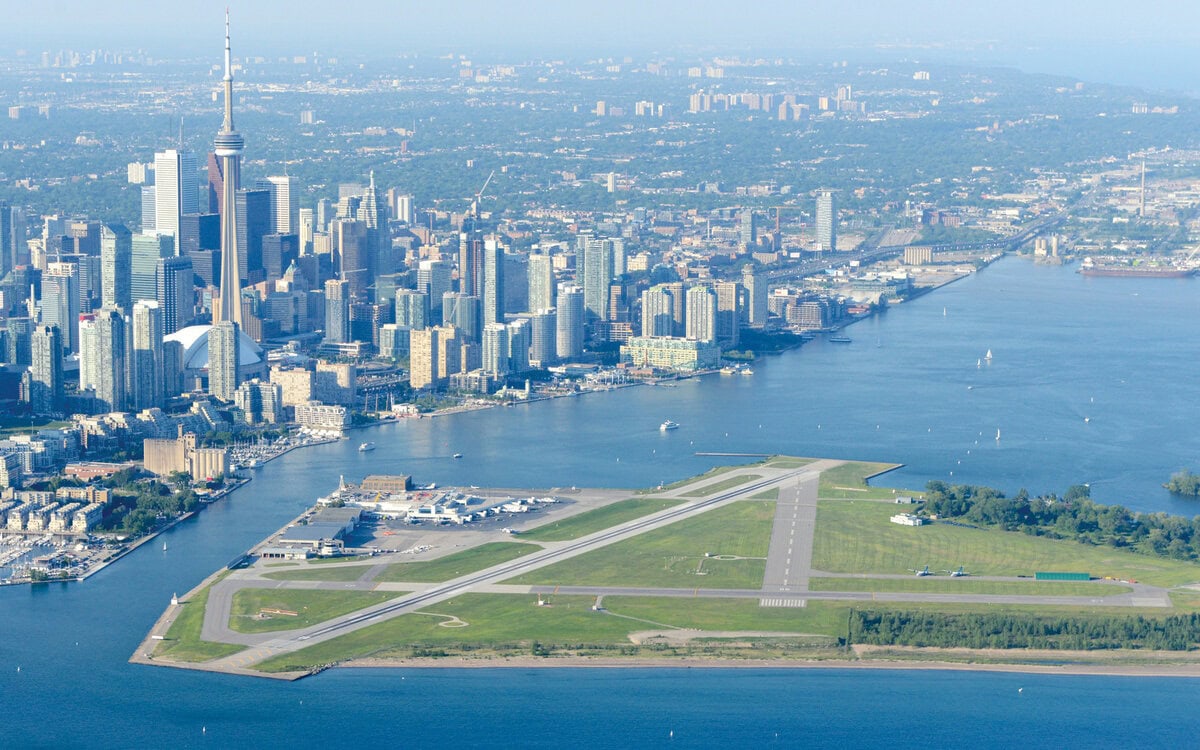
Today, the airport serves approximately two million passengers each year, connecting Toronto to more than 20 cities across Canada and the United States. Under a modernization plan led by the Toronto Port Authority, that number could rise to 10 million, supported by upgrades to the runway, the introduction of modern jet aircraft and improvements to terminal infrastructure and waterfront access.
The economic case is being presented in equally expansive terms. The airport currently contributes roughly 900 million dollars in GDP and 1.8 billion dollars in economic output annually, supporting about 9,000 jobs. Long term projections suggest significantly larger returns, with expanded operations contributing billions more to the national economy and generating thousands of additional jobs, particularly in construction and aviation.
“Today’s announcement is another step towards our government making Ontario the most competitive jurisdiction in the entire G7,” said Peter Bethlenfalvy, Ontario’s Minister of Finance, underscoring the province’s broader economic positioning.
Industry leaders have been quick to align with that vision. “Our vision for Billy Bishop Toronto City Airport is rooted in modern aviation technology, operational excellence and a commitment to ensuring that progress brings tangible benefits to the communities we serve,” said RJ Steenstra, CEO of the Toronto Port Authority. He emphasized the role of newer aircraft that are cleaner, quieter and more efficient, along with expanded connectivity that would link Toronto more effectively to northern and remote communities while strengthening tourism and trade.
From the business community, the message is equally direct. “Cities grow by strengthening the connections that power their economies,” said Giles Gherson, CEO of the Toronto Region Board of Trade. “Modernizing and expanding the airport is a vital opportunity to make our city more competitive and unlock economic growth,” he added, noting that economic pressures such as U.S. tariffs only increase the urgency of such investments.
Jennifer Quinn, CEO of Nieuport Aviation, which operates the airport terminal, described the announcement as a turning point. “Today marks a pivotal moment in a new era for Billy Bishop Toronto City Airport and for the people who rely on it,” she said. “The province of Ontario’s actions enable the modernization of the airport to deliver greater choice, convenience and connectivity, strengthen regional and national resilience and deliver real value for people and businesses across Ontario and Canada.”
The Ontario Chamber of Commerce has also expressed support, while emphasizing that expansion must be grounded in consultation, environmental standards and integrated planning for the waterfront.
To accelerate the project, the province is considering designating the airport as a Special Economic Zone, a mechanism intended to streamline approvals and reduce delays. Officials have stated that environmental protections will remain in place and that consultation with Indigenous communities will continue, noting engagement with more than 130 First Nations in developing the regulatory framework. Still, the scale of the proposed changes is difficult to ignore. Allowing jet aircraft, increasing flight capacity and intensifying operations in one of the most densely developed parts of the city represents a structural shift, not just an upgrade.
In recent years, a growing body of research has made it clear that continuous exposure to noise pollution, particularly in areas surrounding airports, is not merely a matter of daily inconvenience. It carries measurable consequences for both mental and physical health.
Studies in urban health have linked persistent aircraft noise to elevated stress levels, sleep disruption, reduced concentration, and in some cases the worsening of anxiety and depression. These effects are often more pronounced in dense urban environments, where residents have limited ability to distance themselves from the source of the noise.
In such conditions, sound is no longer just something that is heard. It becomes part of the structure of everyday life, shaping it in subtle but persistent ways. Repeated interruptions of silence, fragmented sleep, and even shifts in natural daily rhythms accumulate over time, placing sustained pressure on both individual well being and collective public health.
While modernization plans emphasize the use of quieter aircraft, a fundamental question remains: can marginal reductions in noise offset the cumulative impact of a significant increase in flight volume?
Back on that ferry, none of this was policy. It was just movement. Energy. A city functioning at full speed. But as time passed, and as the number of flights increased, something else became impossible to ignore. The sound stayed longer. It grew sharper. More constant. And then a different question began to settle in. How do people live here? How do residents in those towers, wrapped tightly around the airport, absorb that level of noise every day? How do they tolerate it, not occasionally, but continuously?
The numbers all point upward. More passengers. More routes. More economic output. But standing there, watching everything move at once, it was hard not to wonder whether growth, at this scale and in this place, comes with a cost that is not captured in any projection. And whether, eventually, that cost becomes the story.