

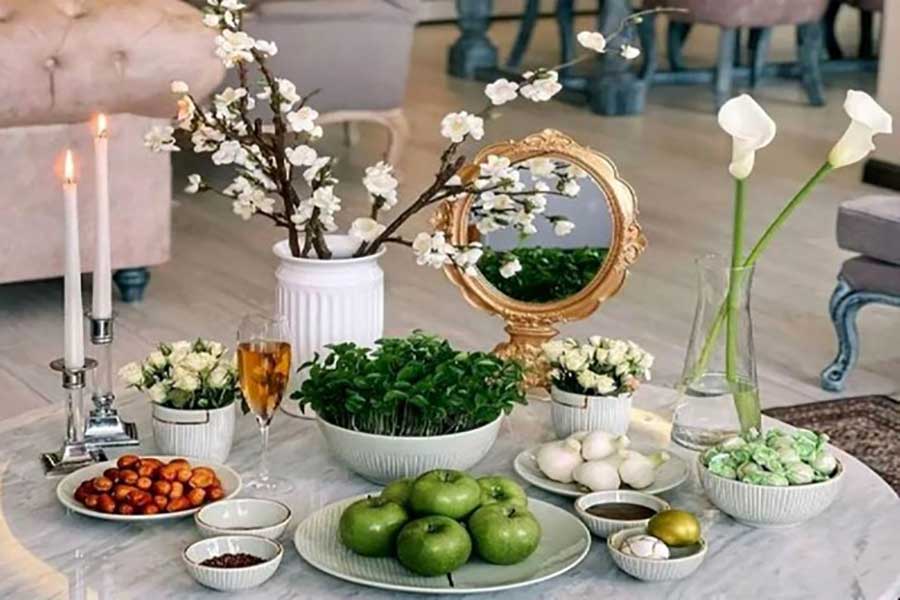
Behnaz Rahbar, Newmarket | Every year, as March approaches, the rhythm of life in Toronto’s Iranian community quietly begins to change. Store windows fill with goldfish bowls and bright apples. Shelves are stacked with sweets and pistachios. Families begin talking about the haft sin table and the small traditions that mark the arrival of Nowruz, the Persian New Year.
This year is different.
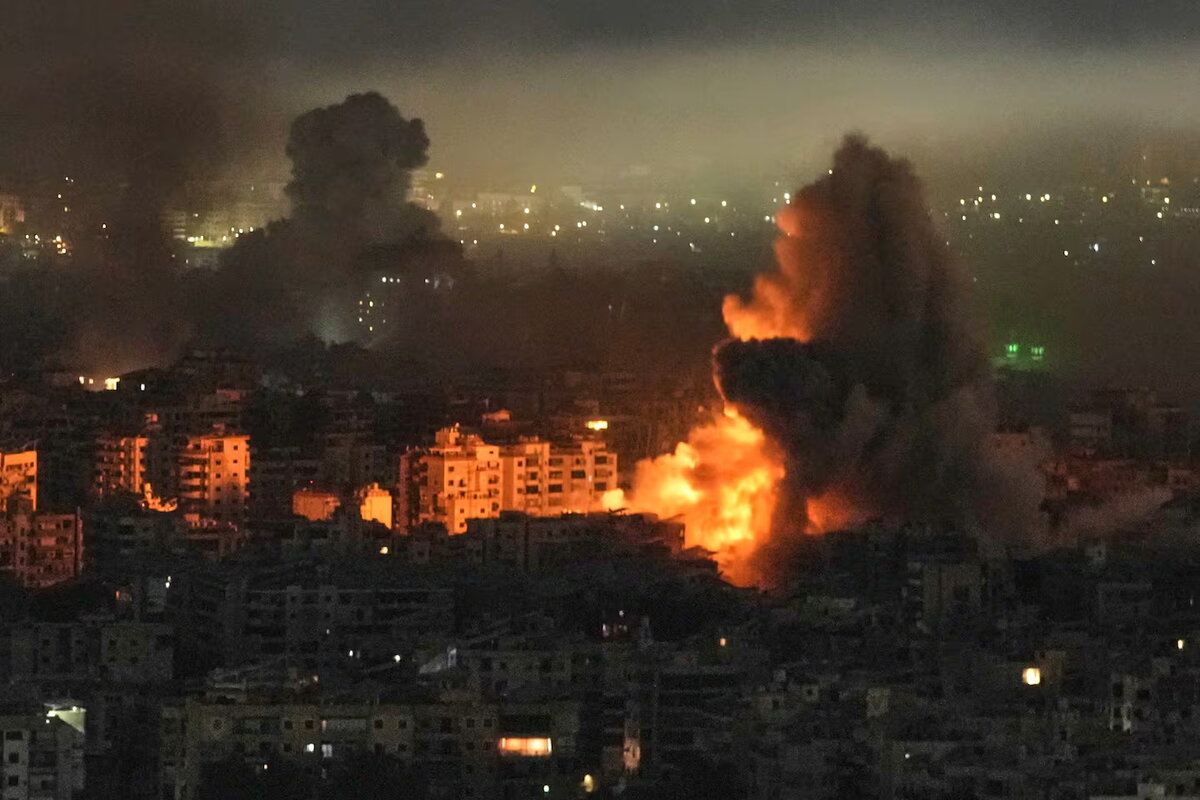
Nowruz will arrive on the morning of March 20, but the feeling that usually surrounds it is missing. The war unfolding in Iran between Iran, the United States, and Israel has cast a long shadow over a community that, here in Canada, numbers more than six hundred thousand people. Instead of anticipation, there is a quiet heaviness that seems to follow every conversation.
Since the beginning of the war, the Iranian diaspora here has become visibly polarized. Two loud camps have emerged. One openly supports the military confrontation, believing it may bring political change in Iran. The other strongly opposes the war and fears the devastating cost it will bring to ordinary people. Between these two poles stands a much larger group that lives in the gray area, uncertain, conflicted, and deeply uneasy.
In my daily life and personal conversations with friends, neighbors, and patients, I rarely meet people who feel comfortable speaking publicly about what they think. Many remain silent. They worry about the consequences of expressing their views. The amount of anger, hate speech, and threats that quickly appear on social media has made people cautious. Some fear attacks from those who support the war. Others fear the reaction from those who oppose it. Silence has become a kind of self protection.
Yet beyond these political divisions, there is one feeling almost everyone shares: worry.
People worry about their parents, their children, their siblings, their old neighbors, the streets they once walked, the schools they once attended. Communication with Iran has become extremely difficult since the beginning of the war. Internet access has been heavily restricted and many forms of communication are intercepted. Phone calls are uncertain. Messages often do not go through. Sometimes days pass without hearing a single word from loved ones.
In previous years, the weeks before Nowruz were joyful. Iranian grocery stores in Toronto were crowded. People searched for the best sweets, the freshest herbs, the nuts that belong on every New Year table. Children argued over goldfish. Families planned gatherings.
This year, those same stores feel different.
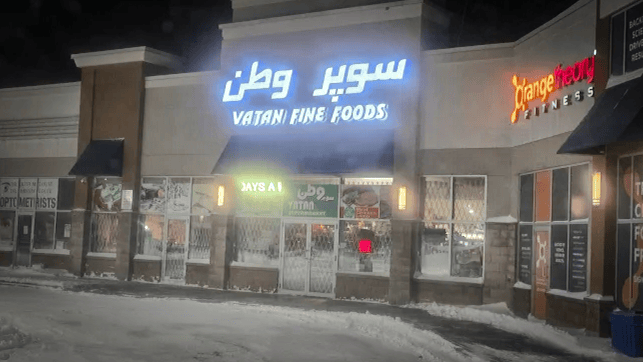
In North York, which has long been the main hub of Toronto’s Iranian community, the change is noticeable. Places that are usually alive with the energy of Nowruz preparation feel quieter. At well known grocery stores such as Super Khorak and other Iranian markets along Yonge Street, people still come to buy what they need, but the atmosphere has shifted. Conversations happen in softer voices. Shoppers move more slowly through the aisles filled with sweets, herbs, and nuts that traditionally belong on the haft sin table. It feels as if everyone is carrying the same heavy thoughts. Many pause in front of the shelves, looking at the familiar items of the New Year, as if unsure whether celebration is even appropriate while so much uncertainty surrounds the country they left behind.
Even here in Newmarket, where I live, I felt the same quiet change when I visited Ali Agha, a small Iranian grocery store that many of us rely on for the tastes of home. In previous years, the days before Nowruz would bring laughter, greetings, and the warm excitement that comes with preparing for the New Year. This time the store felt subdued. People still came in and out, buying what they needed, but the festive spirit that normally fills these spaces seemed noticeably absent.
After living in Canada for more than twenty six years, I have never felt such sadness as Nowruz approaches. As a nurse, I have seen many difficult moments in people’s lives. But the feeling that surrounds this New Year is something else entirely. It is the weight of uncertainty. Many people have died in Iran since this war began. Cities and neighborhoods have been damaged. Each piece of news arrives with the same painful question: who will be next?
I find myself thinking constantly about my own family. I do not know how they will celebrate this year. I do not even know if they can celebrate. Nowruz has always symbolized renewal. It reminds us that after winter, spring returns. But this year, for many of us in the Iranian community in Toronto, the arrival of the New Year is accompanied by a quiet prayer that the violence will stop and that the people we love will simply remain alive to see another spring.
Wrtten by LJI Reporter