
Pooyan Tabatabaei – Toronto| Canada and Alberta have taken a decisive step toward reshaping the country’s economic and energy future, signing a landmark agreement to strengthen federal-provincial collaboration, unlock natural resources, and advance net-zero emissions goals by 2050. The framework, formalized in a memorandum of understanding this week, sets the stage for major investments, infrastructure projects, and economic diversification that aim to position Canada as a global energy superpower while creating hundreds of thousands of well-paying jobs.
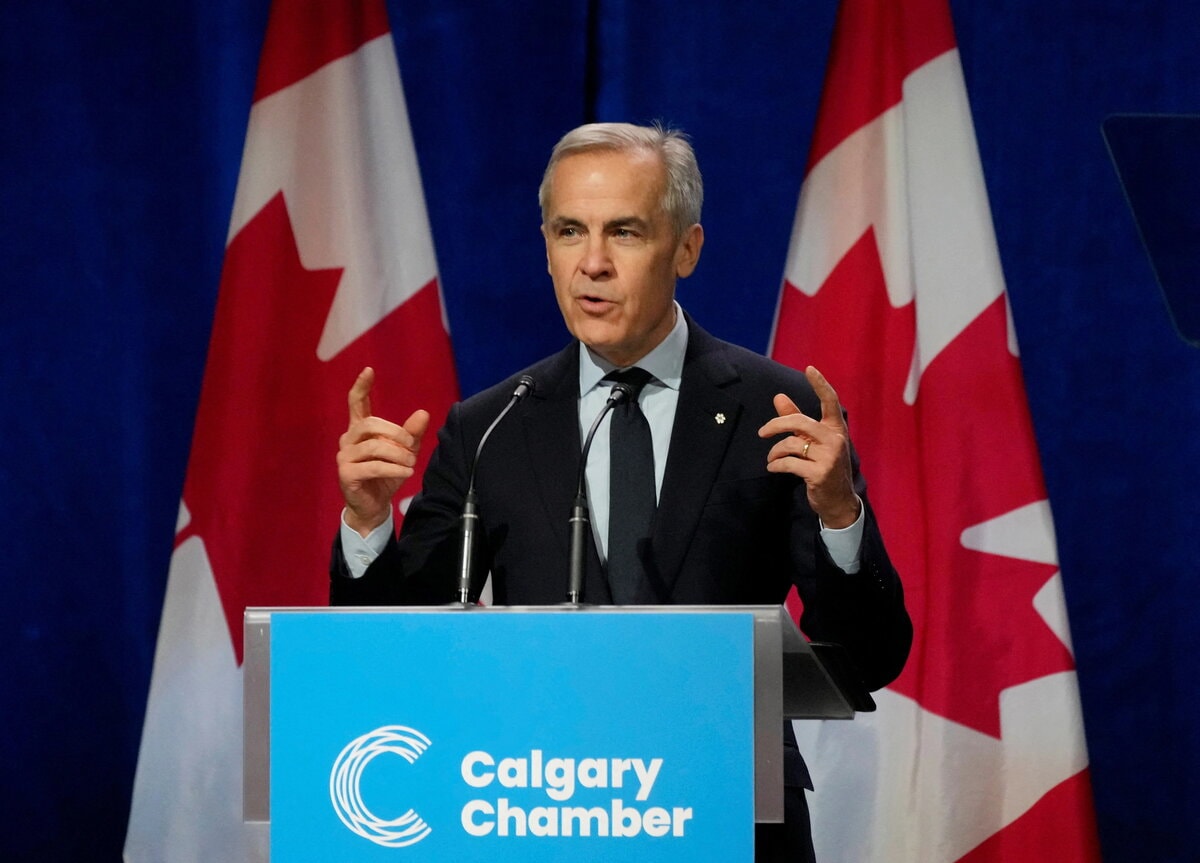
Speaking in Calgary, Prime Minister Mark Carney highlighted the urgency of the initiative, emphasizing the profound changes in global trade that have made Canada’s historical reliance on the United States a vulnerability. “Last year, more than three quarters of our exports went to the United States,” Carney said. “Over ninety percent of our lumber, aluminum, and steel exports. And over ninety-five percent of all our energy exports went to the States. This tight interdependence, once a strength, is now a weakness.”
The memorandum of understanding outlines practical steps for Canada and Alberta to address these challenges while building a stronger and more resilient economy. Among the most significant initiatives is the Pathways Plus project, the world’s largest carbon capture, utilization, and storage program. Once operational, it will drastically reduce emissions equivalent to taking ninety percent of all cars and trucks off the roads in Alberta. Carney described it as a milestone in making Alberta’s oil among the lowest carbon intensity produced globally, with the potential to spur an entirely new industry in Canada.
In addition, the agreement facilitates the construction of a new pipeline to transport at least one million barrels of low-emission Alberta bitumen per day to priority Asian markets. The project, to be financed and built by the private sector, will include Indigenous co-ownership and benefit structures. “Together, we will strengthen federal-provincial collaboration in the energy sector to unlock the full potential of Alberta’s energy resources, achieve net-zero emissions by 2050, and create hundreds of thousands of well-paying careers,” Carney said.
The partnership also encompasses broader clean energy and infrastructure strategies. Alberta will pursue new nuclear power initiatives, reinforce its electricity grid to support sovereign artificial intelligence data centres, and build major transmission interconnections with British Columbia and Saskatchewan. Methane emissions in the oil and gas sector will be reduced by seventy-five percent over the next decade, while industrial carbon pricing will be strengthened with a minimum effective credit price of one hundred and thirty dollars per tonne, providing businesses with long-term certainty.
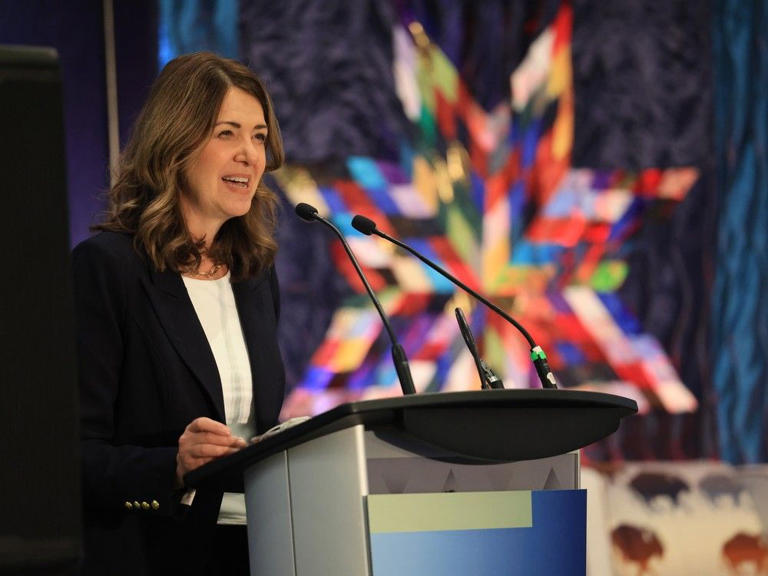
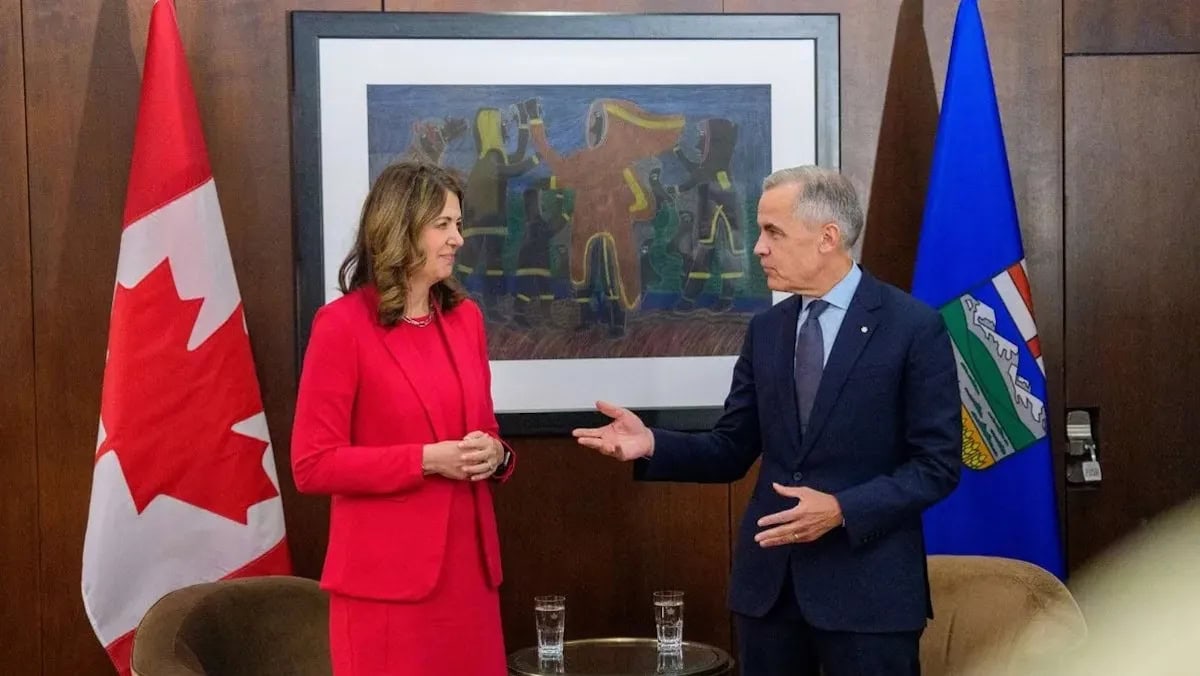
Alberta’s Premier Danielle Smith hailed the agreement as a step toward economic independence and growth, stating that Canada and Alberta are setting a course for a competitive, sustainable, and resilient economy. “We are catalyzing generational investments by creating the right conditions to get big things built in Alberta and across Canada,” she said. She noted that the new Major Projects Office in Calgary, under CEO Dawn Farrell, will streamline approvals for nation-building projects, including investments exceeding one hundred sixteen billion dollars in liquefied natural gas, nuclear, hydro, and critical minerals, as well as new trade and energy corridors.
Carney emphasized that these developments will be executed inclusively, in full partnership with Indigenous Peoples, Inuit, and Métis communities, ensuring co-ownership opportunities and economic benefits. The projects will also require consultation and collaboration with British Columbia and other stakeholders affected by infrastructure development.
Beyond energy, the agreement signals a broader federal strategy to strengthen Canada’s economy and competitiveness. Carney detailed steps to accelerate housing construction through innovative factory-built technologies, expand clean economy tax credits, and drive massive private sector investments, projecting a cumulative impact of one trillion dollars in total investments over five years. He stressed that these measures are designed not only to grow the economy but also to protect essential social programs such as child care, dental care, pharmacare, and education transfers relied upon by provinces and territories.
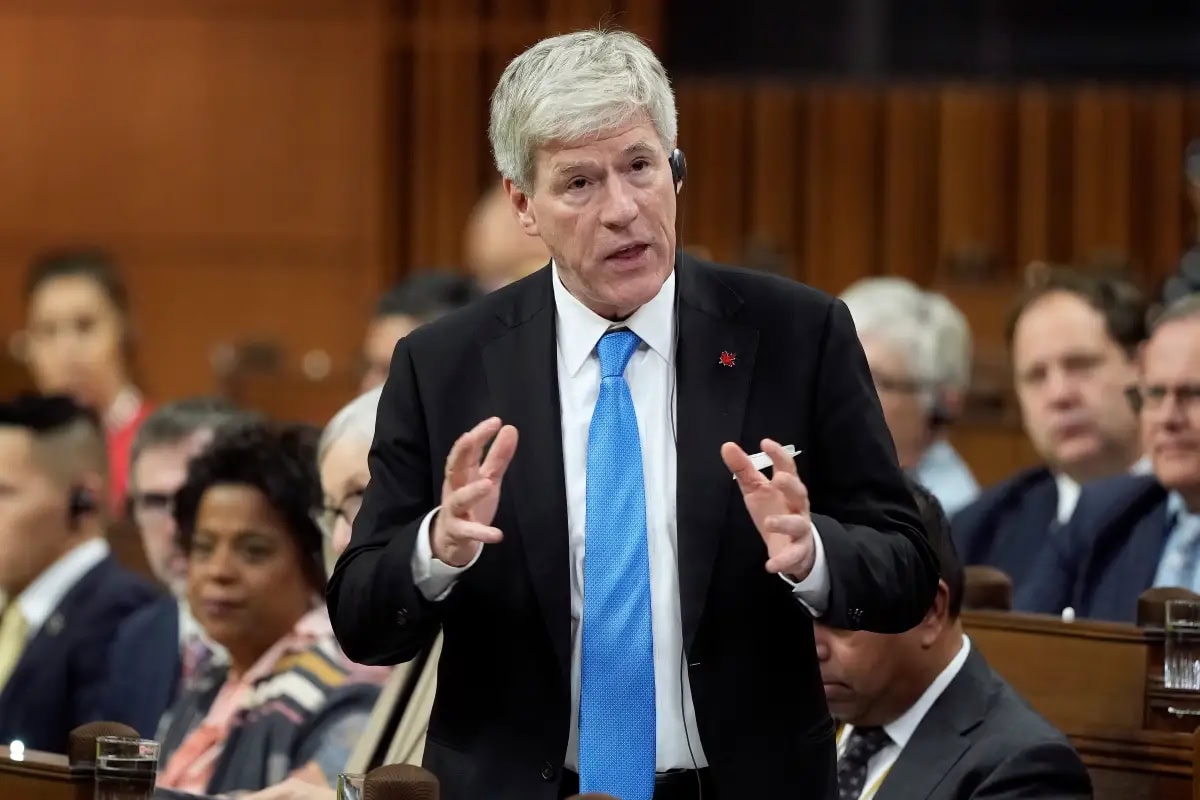
“Canada is acting decisively to establish ourselves as a global energy superpower in the face of a changing world,” said Tim Hodgson, Minister of Energy and Natural Resources. “We will support our allies, create hundreds of thousands of jobs here at home, and show that our energy sector can lead on a global stage.”
Carney concluded by underscoring the opportunity for Canadians to take control of their economic future. “We used to explore in this country. We will chart new courses again. We used to build in this country. We will build big, build fast, build bold again. Above all, we will build by buying Canadian. It is our country, it is your future, and we are taking back control to build Alberta strong – and Canada strong.”
The agreement between Canada and Alberta represents a defining moment in the country’s efforts to transition to a low-carbon economy while securing energy independence, fostering Indigenous participation, and delivering unprecedented economic growth. With the groundwork laid for Pathways Plus, new pipelines, nuclear power, and major infrastructure projects, both governments are signaling a future in which Canada can compete globally while reducing emissions and ensuring prosperity for generations of Canadians.