Pooyan Tabatabaei, Toronto | Thirteen days into the war between Iran, Israel, and the United States, the conflict continues to expand across the Middle East with no clear path toward resolution. Air strikes, missile attacks, and regional retaliation have unfolded rapidly, while political leaders across the world are still struggling to define an end point to a war that has already reshaped the strategic landscape of the region.
The conflict began with large scale strikes on Iranian targets that killed senior figures in the country’s political and military leadership, including Supreme Leader Ayatollah Ali Khamenei. The sudden loss of the country’s most powerful political figure created immediate uncertainty, but Iranian authorities quickly announced a successor and moved to maintain continuity within the political system as the war intensified.
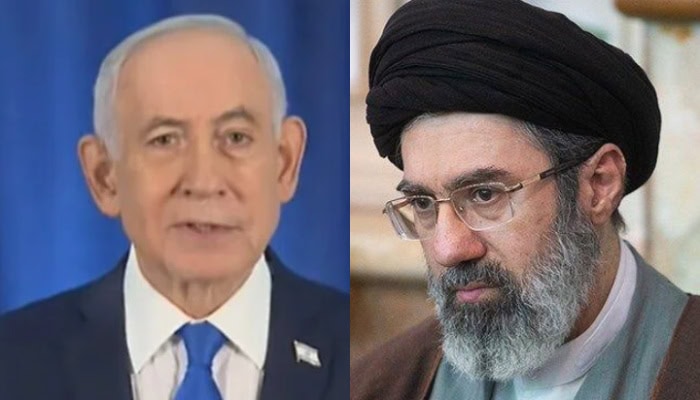
In the first days after Khamenei’s death, political discussions inside Iran reportedly included the possibility of former president Hassan Rouhani emerging as a transitional figure. Rouhani, often associated with a more pragmatic current within Iranian politics, was viewed by some observers as a potential candidate who could stabilize the system during a moment of crisis. Instead, Iranian authorities unexpectedly announced the appointment of Mojtaba Khamenei, the son of the late supreme leader. Mojtaba Khamenei has long remained one of the most enigmatic figures within Iran’s political establishment, rarely appearing in public and giving few speeches or interviews, with most accounts describing his influence as operating quietly behind the scenes and closely aligned with hardliners within Iran’s political establishment.
Since the beginning of the war, however, the precise whereabouts of Mojtaba Khamenei have not been publicly disclosed. In a similar way, the location of Israeli Prime Minister Benjamin Netanyahu has also remained largely undisclosed during the conflict, reflecting the heightened security measures surrounding both leaderships as the war continues to unfold.
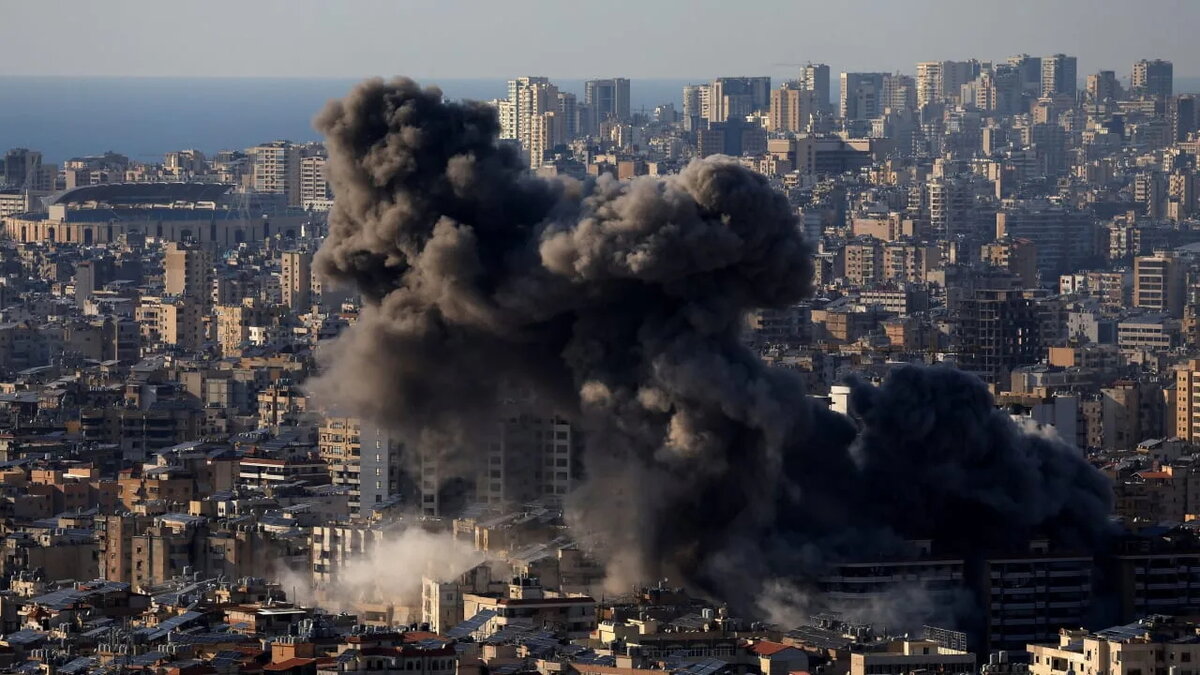
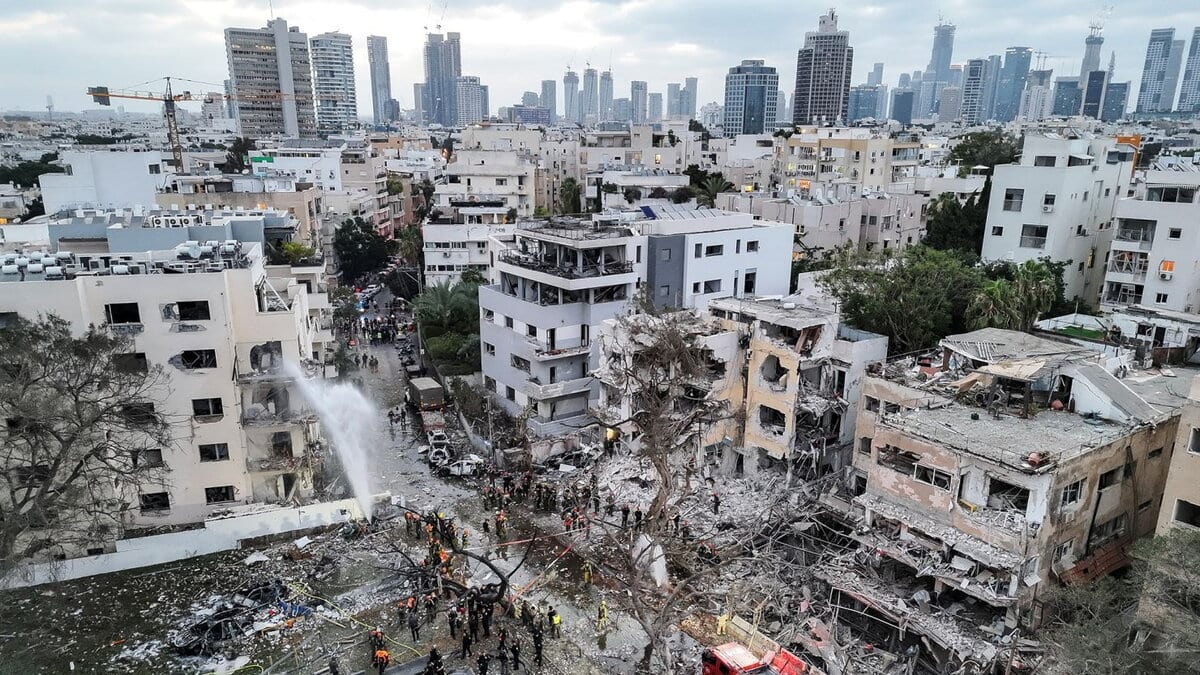
Within hours of the initial strikes, Iran launched a broad military response. Missile and drone attacks began targeting Israeli cities, with strikes reported in Haifa, Jerusalem, Tel Aviv, and surrounding areas. Iranian officials say several strategic locations were hit, including military and infrastructure targets. Israeli authorities have acknowledged repeated missile strikes across multiple cities, while wartime censorship inside Israel has limited the release of images showing the full extent of the damage.
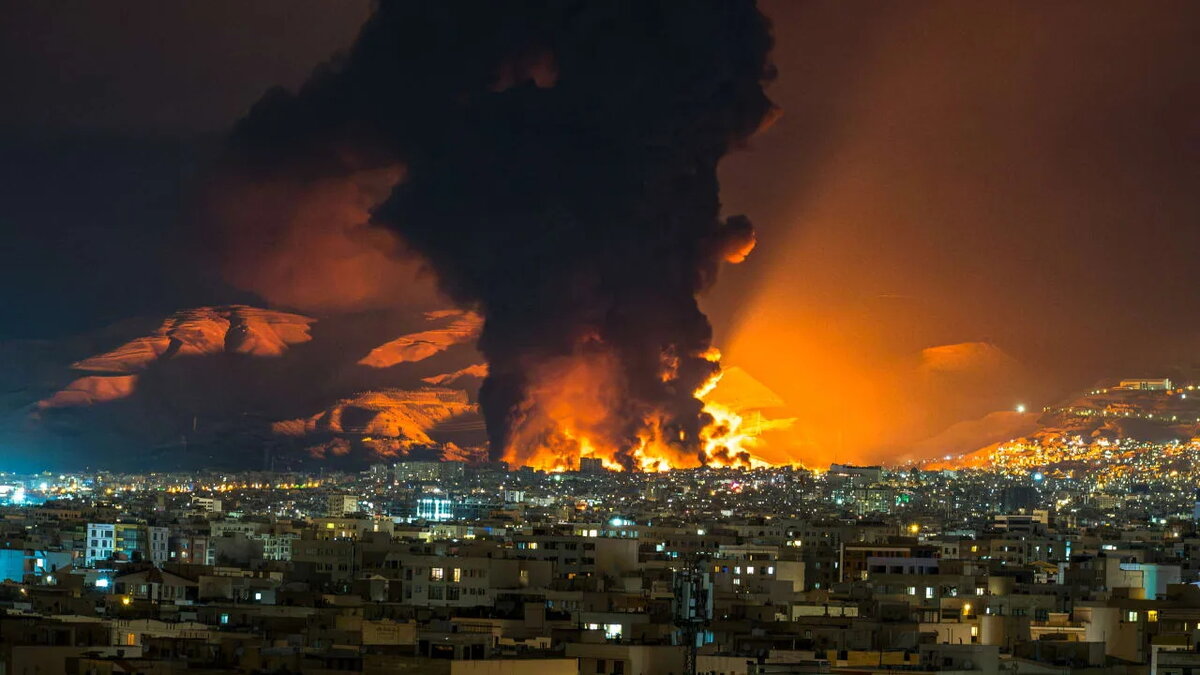
At the same time, the bombing campaign inside Iran has continued. Strikes have targeted military installations, infrastructure sites, industrial facilities, and oil infrastructure across several cities, including reported attacks on oil refineries in Tehran. Iranian officials say hundreds of civilians have been killed and thousands wounded since the attacks began. One of the most devastating incidents occurred in the southern city of Minab, where a girls school was struck during the early days of the war. Reports across multiple international outlets confirm that the attack killed a large number of children, making it one of the deadliest civilian tragedies of the conflict.
Tehran, Iran
Despite the ongoing bombardment, daily life in parts of Iran has continued in ways that contrast sharply with the atmosphere inside Israel during repeated missile alerts. Images circulating from several Iranian cities show people walking in streets, gathering in public spaces, and continuing daily routines even as the war unfolds.
Iran’s retaliation has extended well beyond Israel. Iranian missile strikes have targeted American military bases across the region, including installations in Bahrain, Qatar, the United Arab Emirates, Iraq, and Cyprus. Several bases hosting United States forces were struck as part of what Iranian officials described as a coordinated regional response.
The conflict has also moved into the air and electronic warfare domains. Iranian air defenses have destroyed multiple advanced American surveillance drones during the fighting. Reports indicate that between eleven and thirteen MQ 9 Reaper drones have been downed. Each aircraft carries a value exceeding thirty million dollars, placing the total financial losses at more than three hundred million dollars.
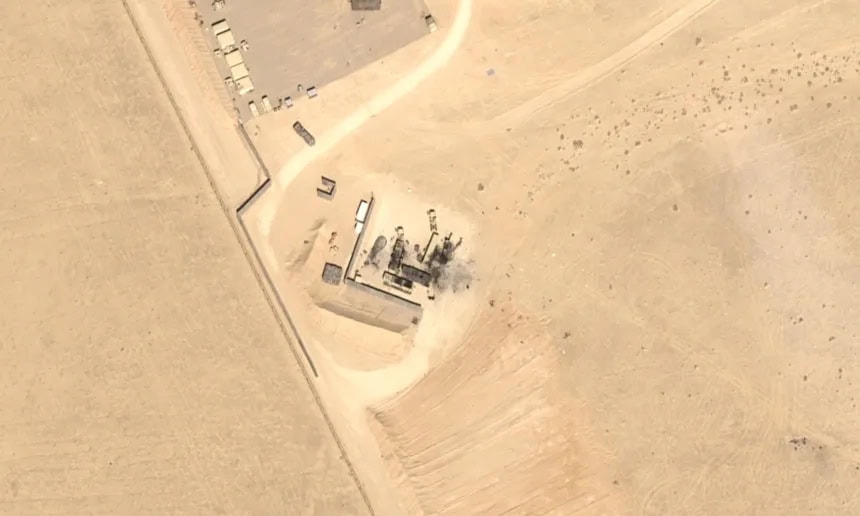
A satellite image taken on March 2, 2026, shows debris surrounding a blackened THAAD radar at the Muwaffaq Salti Air Base in Jordan. Airbus
Beyond drone losses, Iranian strikes have targeted critical radar infrastructure linked to the United States missile defense network in the region. A one point one billion dollar AN FPS 132 early warning radar installation in Qatar was reported destroyed during the attacks. Another strike targeted an AN TPY 2 radar system supporting the THAAD missile defense platform in Jordan, a system estimated to cost roughly three hundred million dollars.
Iranian forces have also destroyed several American fighter aircraft during the conflict, further raising the military stakes between Washington and Tehran. The war has increasingly extended beyond land and air operations. Iranian authorities have warned that the Strait of Hormuz, through which a large portion of the world’s oil supply travels, could be closed if attacks on Iranian territory continue. Several commercial vessels in nearby waters have already reported disruptions and attacks as maritime tensions escalate.
Across the region, however, the broader geopolitical direction of the war remains uncertain. In Washington, the tone of the United States administration has shifted repeatedly. President Donald Trump has changed his public messaging several times since the conflict began, at moments suggesting deeper escalation while at other times indicating interest in negotiations. The absence of a consistent diplomatic framework has left observers uncertain about how the conflict could eventually be brought to an end.
Tel Aviv
Canada, like many countries, is watching the developments cautiously. Canadian officials have expressed concern about the humanitarian consequences of the war and the risk of wider regional escalation. Several political leaders in Ottawa have called for restraint and renewed diplomatic engagement. Prime Minister Mark Carney has maintained a restrained public posture, quietly observing the developments while Canada evaluates the evolving geopolitical and economic consequences of the conflict.
For now, the war continues to move forward with no clear strategy for how the parties involved intend to exit it. Missile strikes continue, military retaliation persists, and diplomatic efforts remain largely absent. As the conflict enters its second week, the central reality facing the region is that the war has begun to expand faster than any political plan to end it.