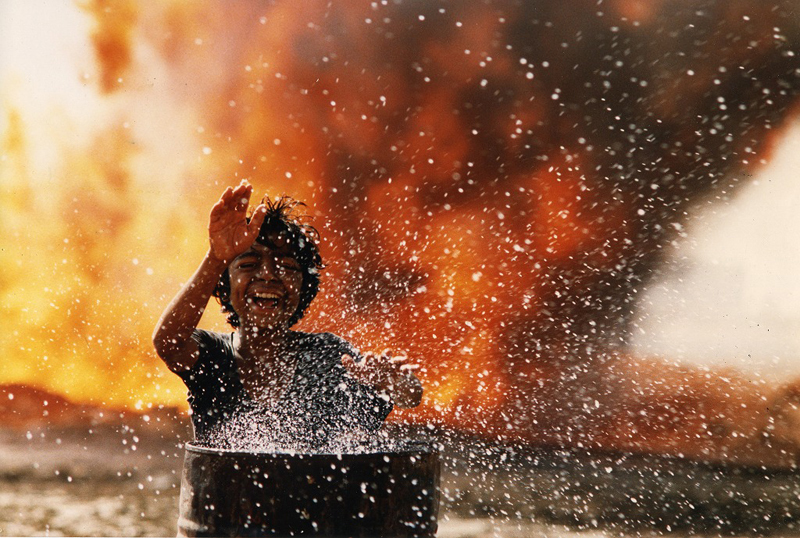



Film Critic
Majid Movasseghi | very year the Academy Awards are more than a celebration of cinema. They also function as a cultural mirror. Through them we glimpse what the world is thinking, what it fears, and what it chooses to remember. The 2026 ceremony arrives at a moment of unusually intense global anxiety.
Beyond the bright lights of the Dolby Theatre in Los Angeles, where the red carpet and flashing cameras transform the event into a worldwide spectacle, the world itself is marked by overlapping crises. The war between Russia and Ukraine continues without a clear end. The humanitarian catastrophe in Gaza and the conflict between Israel and Palestine remain at the center of global headlines. At the same time, tensions between Iran, Israel and the United States cast a heavy shadow over the geopolitical landscape of the Middle East.
In such a world, cinema cannot remain untouched. Films rarely begin as political manifestos. They emerge from memory, fear and lived human experience. Yet these stories inevitably become documents of their time.
Among the Oscar categories, perhaps none reflects this intersection between cinema and history more clearly than Best International Feature Film. The five nominated films this year, each emerging from a different cultural landscape, converge around a shared question: how does an individual endure power, violence and the persistence of memory?
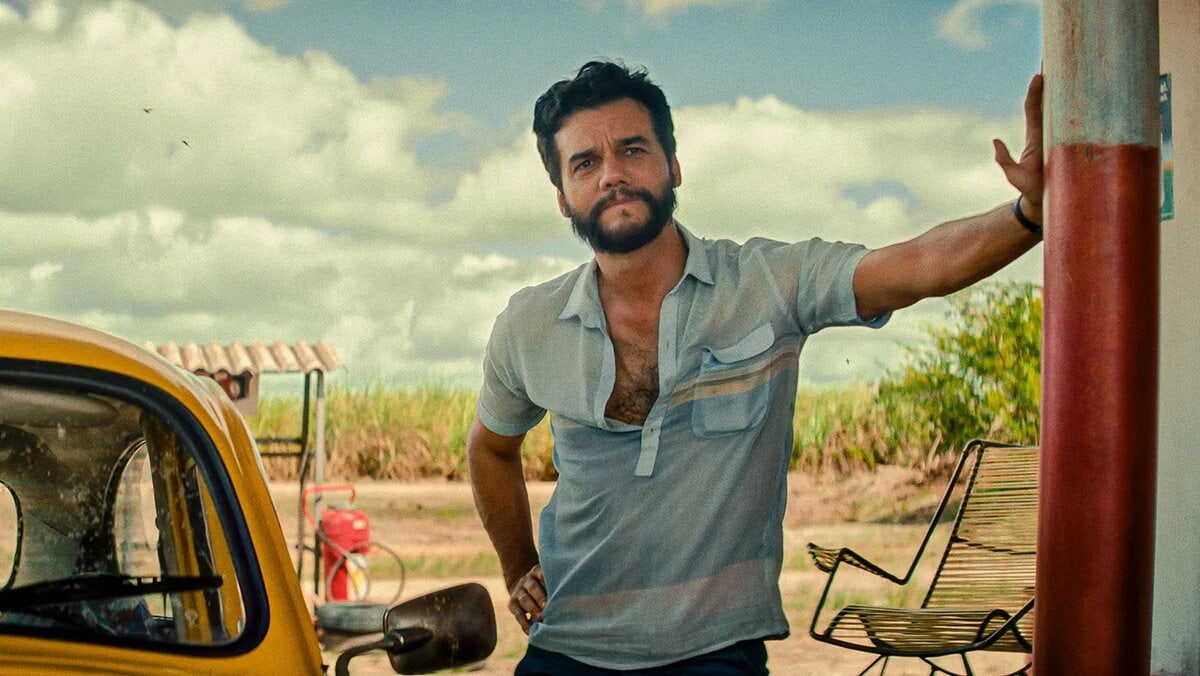
Surveillance and History in The Secret Agent
The Secret Agent, directed by Brazilian filmmaker Kleber Mendonça Filho, stands out as one of the most striking films in the category. The film had already drawn considerable attention at the Cannes Film Festival, where its direction and performances were widely praised.
Set in 1977 during Brazil’s military dictatorship, the story follows a man, played by Wagner Moura, who suddenly finds himself trapped in a web of surveillance, suspicion and political paranoia. Visually the film is meticulously constructed. Its compositions evoke the texture of another era, while the faded color palette suggests a world worn down by the pressure of authoritarian rule.

Memory and Doubt in It Was Just an Accident
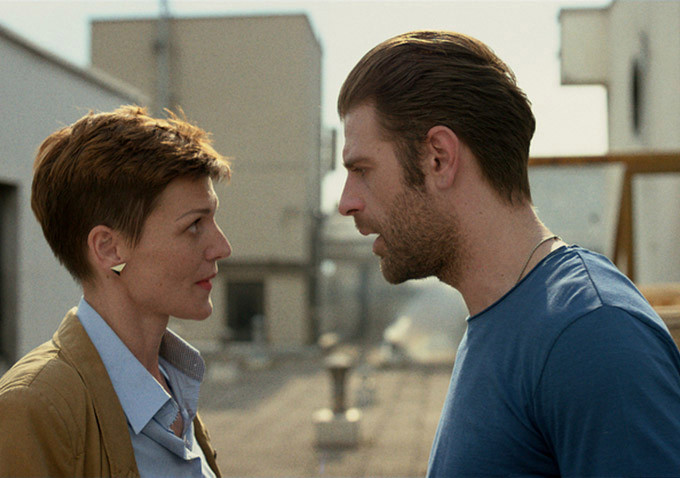
It Was Just an Accident, directed by Jafar Panahi, quickly became one of the most discussed films of the year after winning the Palme d’Or at the Cannes Film Festival.
The story begins with a seemingly ordinary encounter. A man meets someone he believes may have been his interrogator during imprisonment. The problem is that he never saw the interrogator’s face because he had been blindfolded. From this uncertainty emerges a profound moral question: if memory is shaped by pain, can it truly recognize the truth?
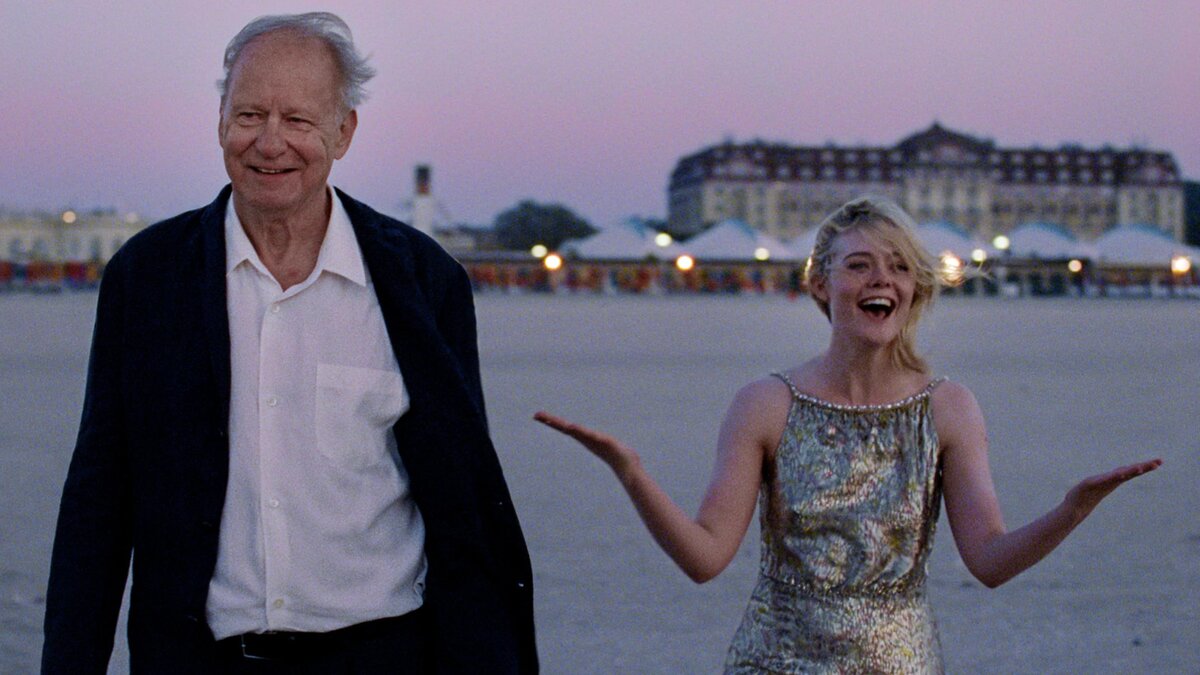
Art and Family Memory in Sentimental Value
Sentimental Value, by Norwegian director Joachim Trier, received the Grand Prix at the Cannes Film Festival. The film follows a filmmaker who decides to make a movie about his own family history, a decision that gradually complicates his fragile relationship with his daughters. At its core the film raises a delicate ethical question: does art have the right to transform the lives of others into narrative material?
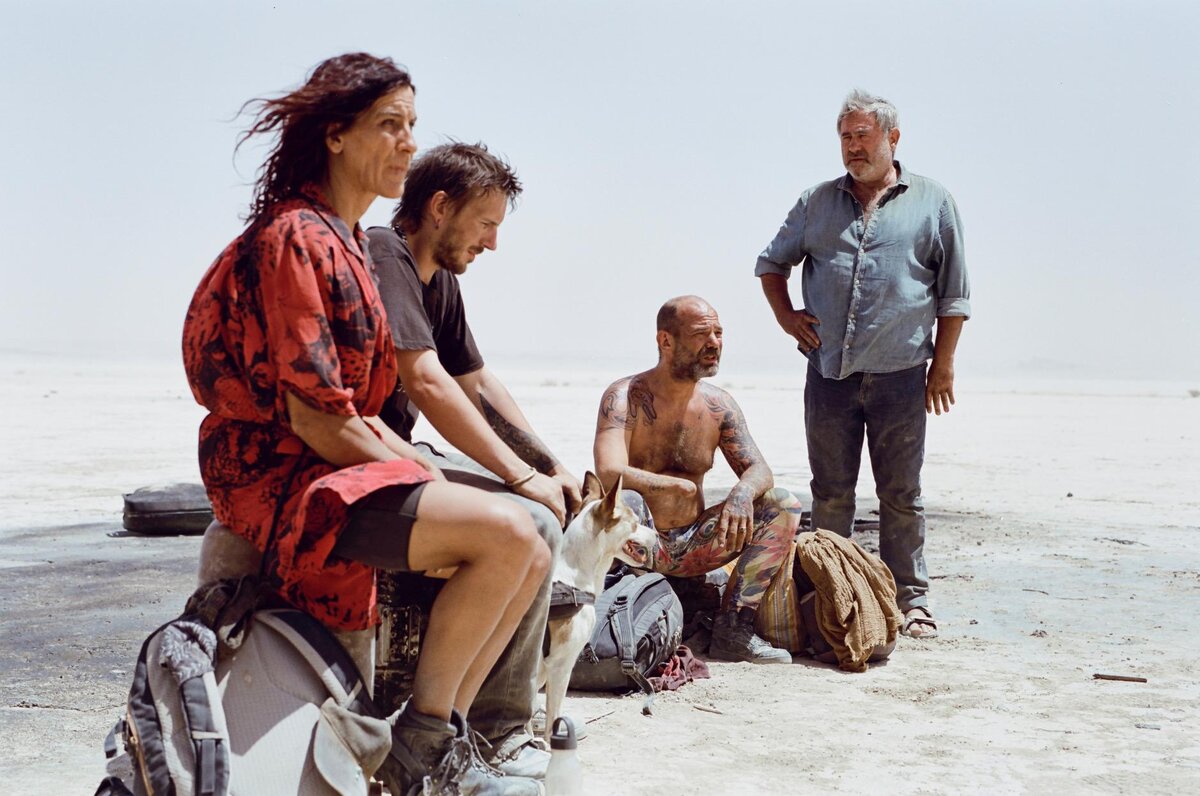
Searching in the Desert: Sirât
Sirât, directed by Spanish filmmaker Óliver Laxe, won the Jury Prize at Cannes. The story follows a father and son searching for a missing daughter in the deserts of Morocco. Along their journey they encounter groups of young people who gather temporarily in the desert to create spaces of music, dance and fleeting community. Here the desert becomes more than a landscape. It becomes a state of existence suspended between hope and despair.

The Voice of a Tragedy
The Voice of Hind Rajab, by Tunisian director Kaouther Ben Hania, may be the most emotionally devastating film among the nominees. Based on the real story of a young girl killed during military attacks in Gaza, the film reconstructs the desperate attempts to save her life. Sometimes reality itself becomes the most powerful form of drama.

Cinema in a Time of Crisis
Looking at these films together, one sees that all of them engage with political or historical experience: dictatorship, imprisonment, war, or the search for identity in an unstable world. Yet an important question remains. Is choosing a political subject enough to create great cinema?
Great cinema often emerges when politics becomes human experience. When history reveals itself through the life of a single person, a family or a child. The 2026 Oscars remind us that cinema still attempts to build a fragile bridge between art and history. Perhaps it is precisely this effort that allows cinema, even in times of violence and uncertainty, to continue telling stories that resemble hope.