
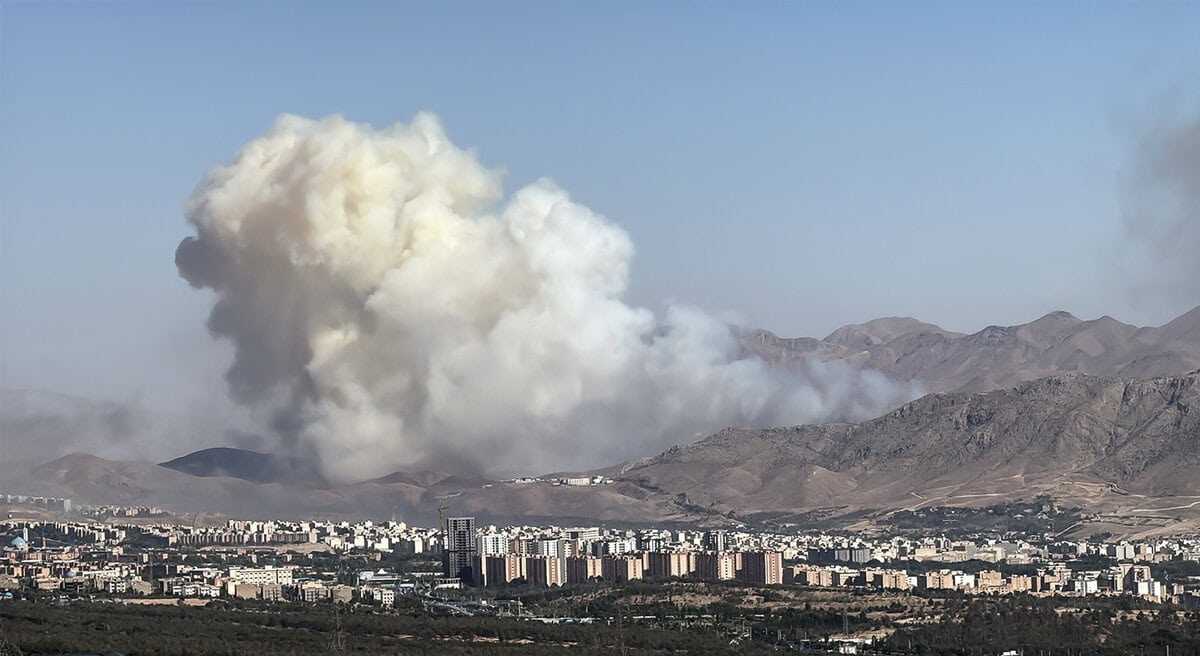
Niloo Ghorashi – Toronto | An Iranian news channel based in the United Kingdom, Manoto, has reported that Israel has launched strikes on six airports across Iran. As of now, major Western media outlets such as the BBC and CNN have not corroborated or reported on this development. Meanwhile, networks like Fox News remain fixated on former President Trump’s claims of “making America great again” by deporting so-called “illegal immigrants” to Mexico and other countries—largely ignoring the domestic protests and widespread outrage over his controversial and extreme policies.
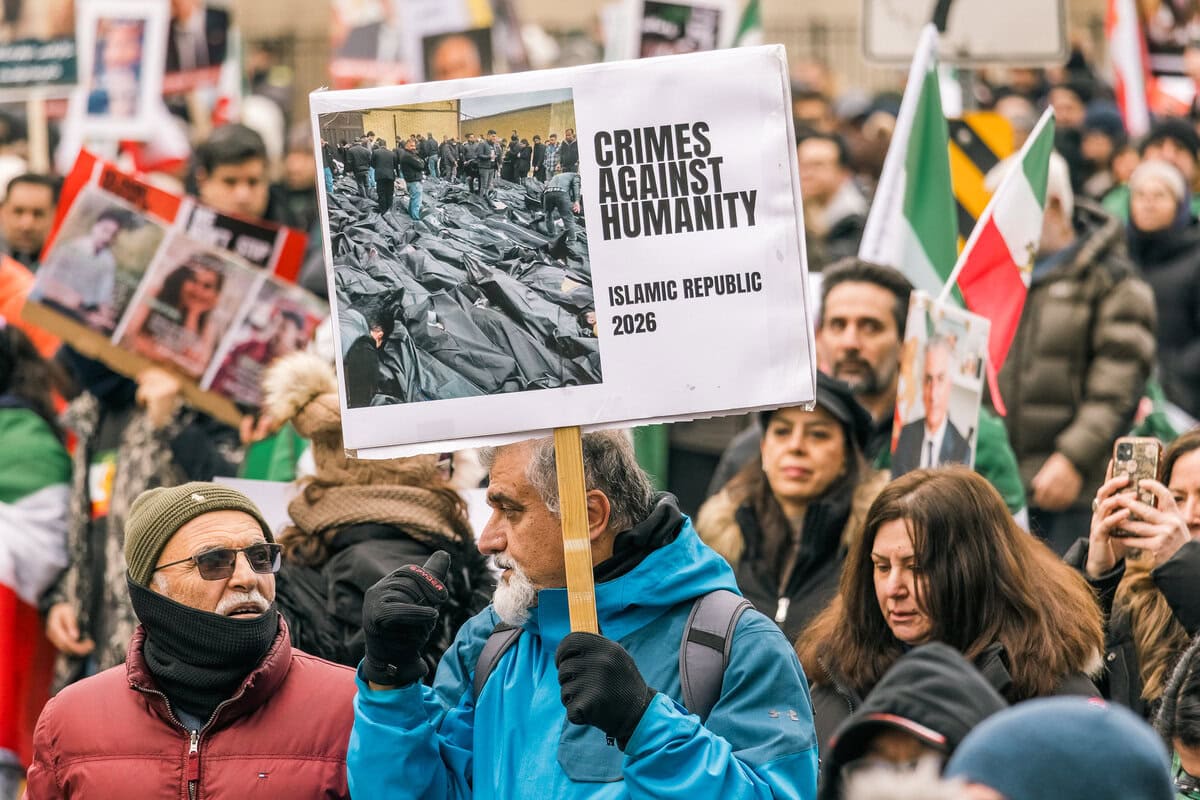
On social media, the Iranian diaspora reflects a deeply fragmented landscape: pro-revolution, pro-Iran yet anti-war; anti-Israel yet supportive of regime change; pro-Israel and anti-IRGC, and many more nuanced stances. It’s a true mess to watch any news channel. This division mirrors the global response during the COVID-19 pandemic. Then, as now, people were united in wanting a crisis to end—but deeply divided over the means. While some placed their trust in vaccines, others feared potential side effects. News outlets highlighted rising death tolls, while social media users promoted alternative views on health and immunity.
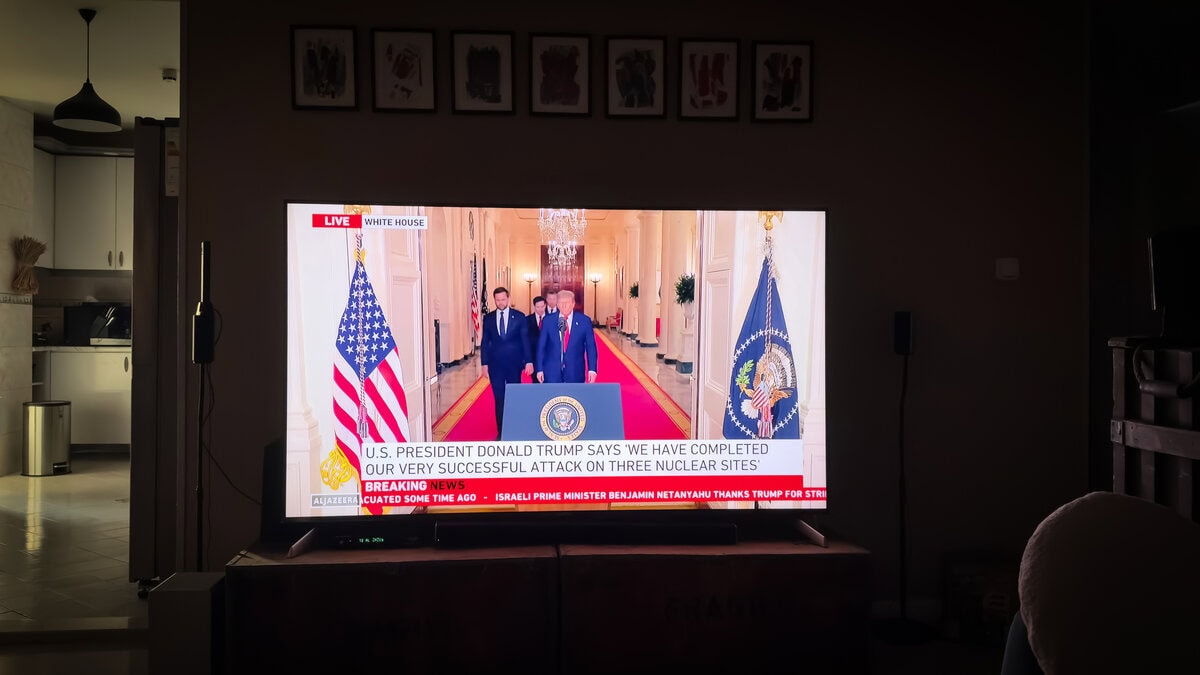
In moments of such uncertainty, the battlefield often shifts from the physical to the psychological. Misinformation and propaganda thrive in the absence of clarity. The need for objective, accountable journalism becomes critical—yet in today’s media climate, uncovering factual reporting can feel akin to mining for gold.
Still, there is hope. Having navigated the information overload of the pandemic, many of us have developed a keener sense of media literacy. We now understand the importance of vetting sources, investigating the backgrounds of authors, and prioritizing fact-checking. The wild card remains Donald Trump, who continues to challenge logic, dismiss accountability, and blur the lines between fact and fiction—all of which complicate the public’s ability to engage meaningfully with world events.
In light of the escalating tensions in the Middle East—particularly the unfolding conflict between Iran and Israel—it is more important than ever to seek reliable, well-sourced information. We must ask ourselves: is this truly about dismantling Iran’s nuclear program, or is there more at play? Comparing the narratives around Gaza, Iran, and Syria may reveal overlapping patterns, stark differences, and—if we look closely enough—the threads of truth hidden beneath political spin.