
Pooyan Tabatabaei | Toronto : While Iran experiences one of the most harrowing chapters of its contemporary history, an unprecedented combination of deep economic crisis, widespread unrest, state violence, and a fragile social order, I sit thousands of miles away in Toronto, Canada, watching the events unfold through the screens and voices of those inside the country. I have followed protests, crackdowns, curfews, slogans from rooftops, and the horrifying toll of death. But nothing has chilled my bones and shaken my heart as much as the extraordinary phenomenon now emerging at the gravesides of Iran’s dead.
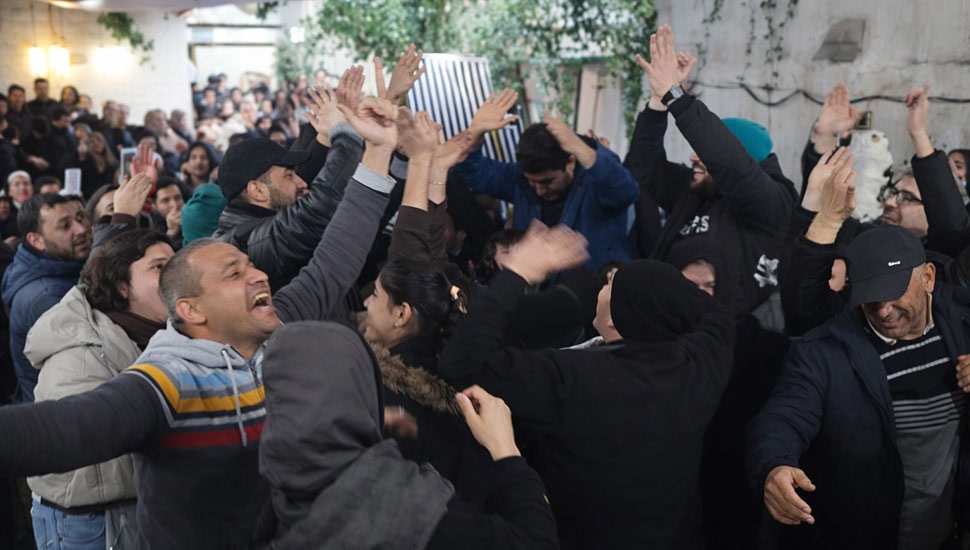
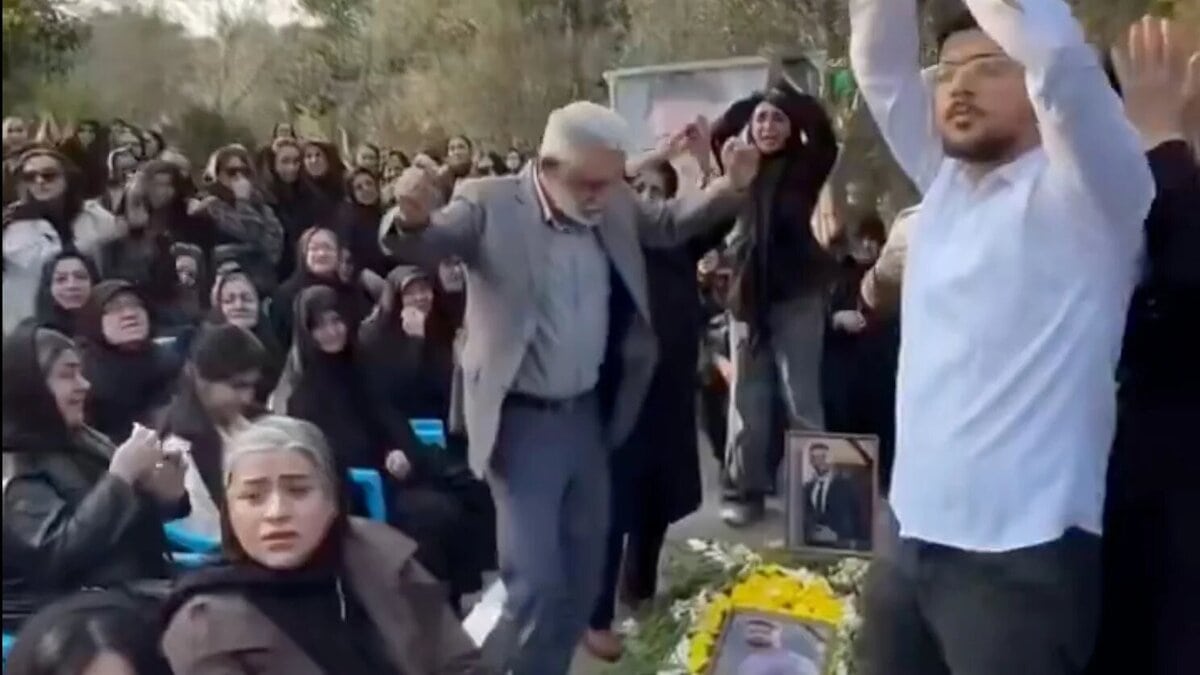
Scrolling through social media, buried beneath the usual flood of images from the frontlines, I began to encounter scenes that at first seemed surreal: families clapping, setting up music, and dancing beside the graves of their loved ones during traditional burial rites or the fortieth day ceremonies known as Chehelom. The feeling was impossible to pin down, part sorrow, part rage, part awe. It was a visceral expression of resistance.
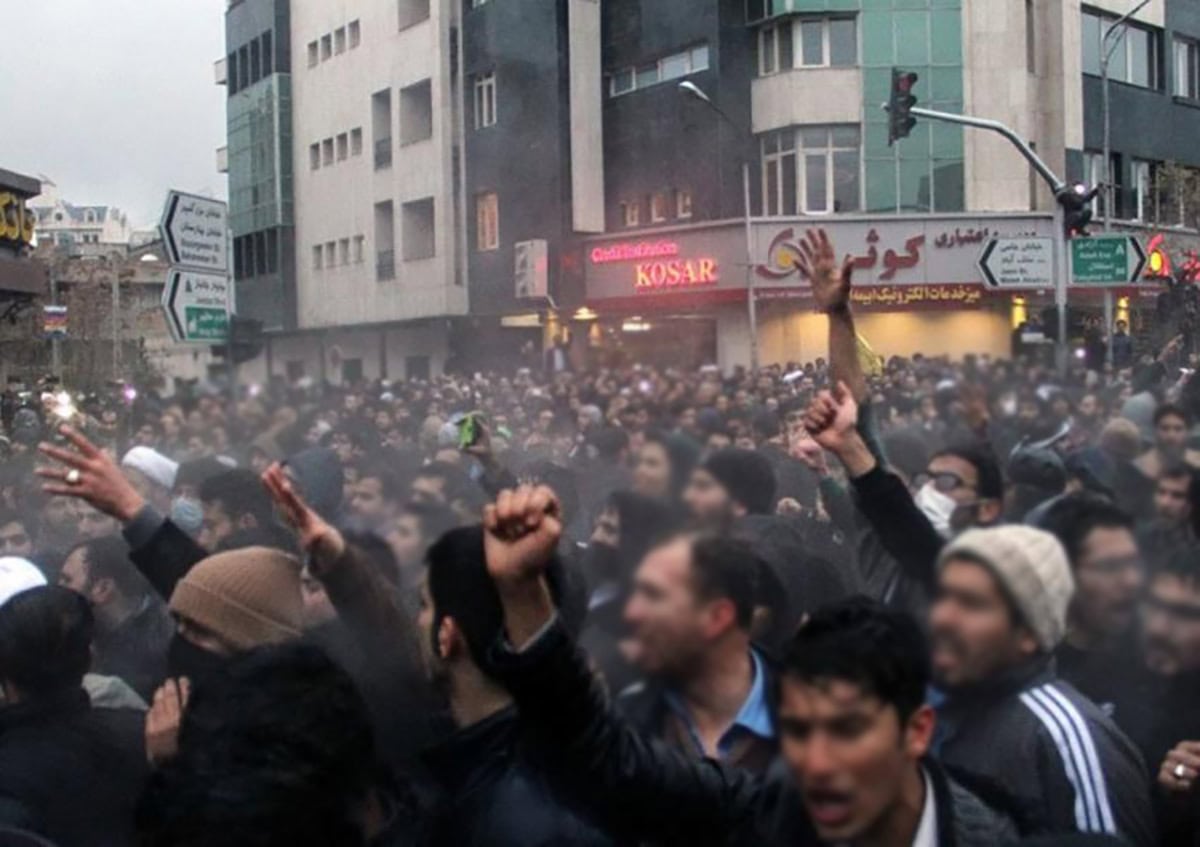
In the weeks since the brutal response by security forces to nationwide protests, Iran has been suspended in collective grief. Reported estimates based on medical networks and independent monitoring suggest that the number of those killed in the past forty five days ranges from approximately thirty thousand to as many as forty thousand. These figures are not official and remain contested, but the scale of loss is undeniable. Many of the dead are under thirty five. Many were not married. Many were killed on their own streets while expressing anger over economic collapse and political suffocation.
Traditionally, Iranian mourning follows a recognizable rhythm. The body is buried soon after death. Relatives return after seven days for prayers, and then again on the fortieth day to mark the end of the major mourning cycle. These rituals are deeply embedded in cultural and religious conceptions of grief and community.
But now something new is happening. Across Iran, Chehelom gatherings that were once moments of private solemnity have morphed into powerful displays of communal defiance. In cemeteries from Tehran to provincial towns, families are refusing to let security forces or state narratives define what death means. Instead of silent tears and funerary prayers, mourners bring music, they clap in unison, and they dance. This is not the festive abandon of joy, but a fierce, deliberate act of resistance: a way of refusing to give the oppressor the victory of sorrow.
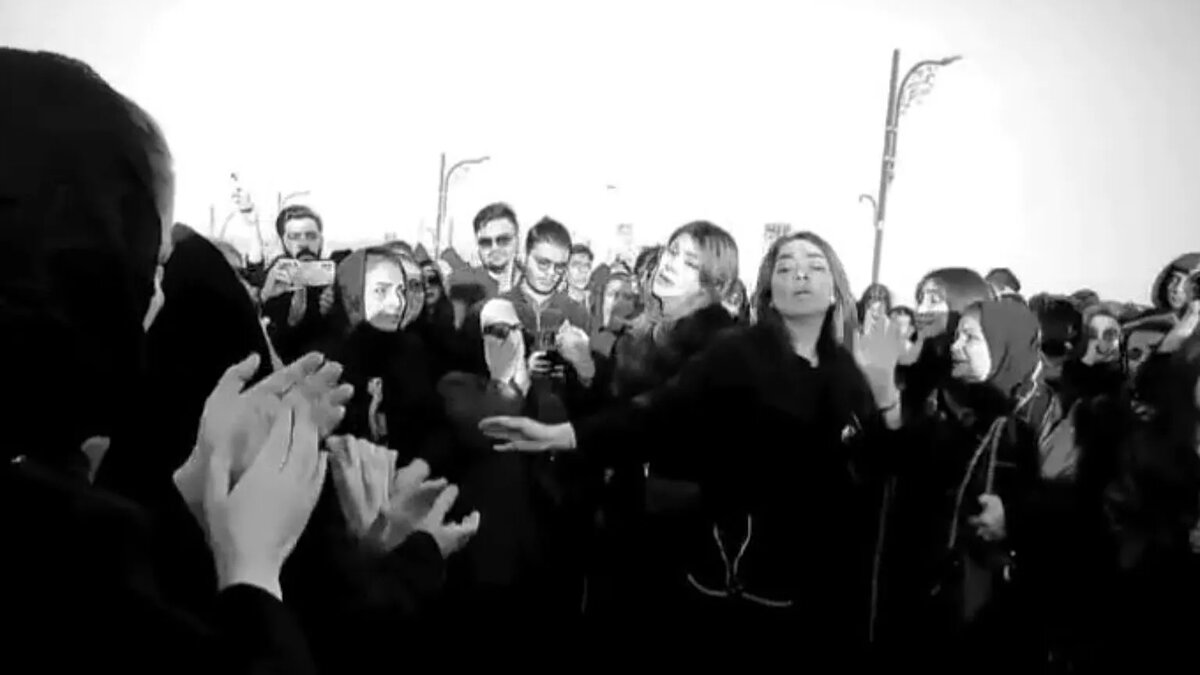
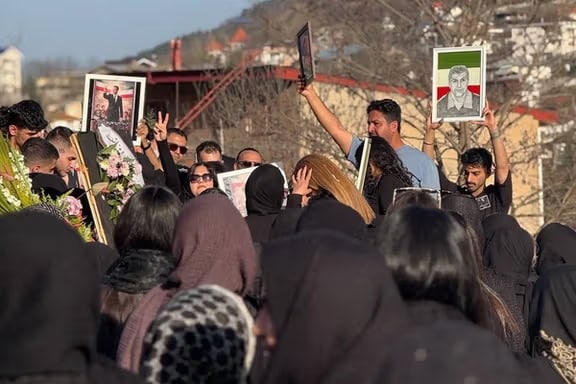
For the first time in Iran’s visual history on this scale, graveside memorials have become sites of collective assertion. Families of young protesters have played their loved ones’ favorite songs. In some instances, parents of young adults killed before they married have brought bridal cloth and transformed mourning into something that almost resembles a wedding celebration, not in mockery, but in tribute to lives unjustly cut short. Death is reframed as a passage, not an erasure.
Crowds gather in numbers that outstrip even the immediate circles of the deceased, with many present not because they knew the person, but because they recognize in every fallen youth a symbol of collective struggle. This phenomenon is remarkable in both its scale and its meaning. While smaller instances of public celebration alongside mourning were glimpsed during the Woman, Life, Freedom movement sparked by the death of Mahsa Amini in 2022, they remained relatively isolated. Today, however, every grave has, in effect, become a new terrain of resistance, a space where sorrow and defiance fuse into a collective statement.
From a sociological perspective, this transformation is profound. Rituals exist to stabilize societies in moments of rupture. When conventional mourning no longer contains the trauma, communities invent new forms. In Iran, music and dance have emerged as vehicles for that meaning, turning cemeteries into places where grief is experienced as a form of political will. The body moves when language is insufficient. Rhythm reorganizes what shock has disordered. Movement becomes both regulation and declaration. It is mourning as a refusal to cede narrative and body to security forces and state authorities.
There are echoes of this practice in other parts of the world. Protest dances in southern Africa during the struggle against apartheid transformed synchronized movement into collective courage. Jazz funerals in New Orleans turned sorrow into procession, and choreographed burial processions in West Africa similarly reimagined grief through movement. Kurdish communal dances have long fused endurance with remembrance.
Yet what we are witnessing in Iran is unique in its political valence. It is not a cultural performance in isolation; it is collective defiance under conditions where even public grief has been criminalized, monitored, or violently suppressed. What is unfolding is a reclaiming of memory itself, an insistence that neither story nor body will be surrendered to the state. What I see from Toronto is not merely grief. It is a society rewriting the grammar of mourning. It is a refusal to allow death to be weaponized into silence.
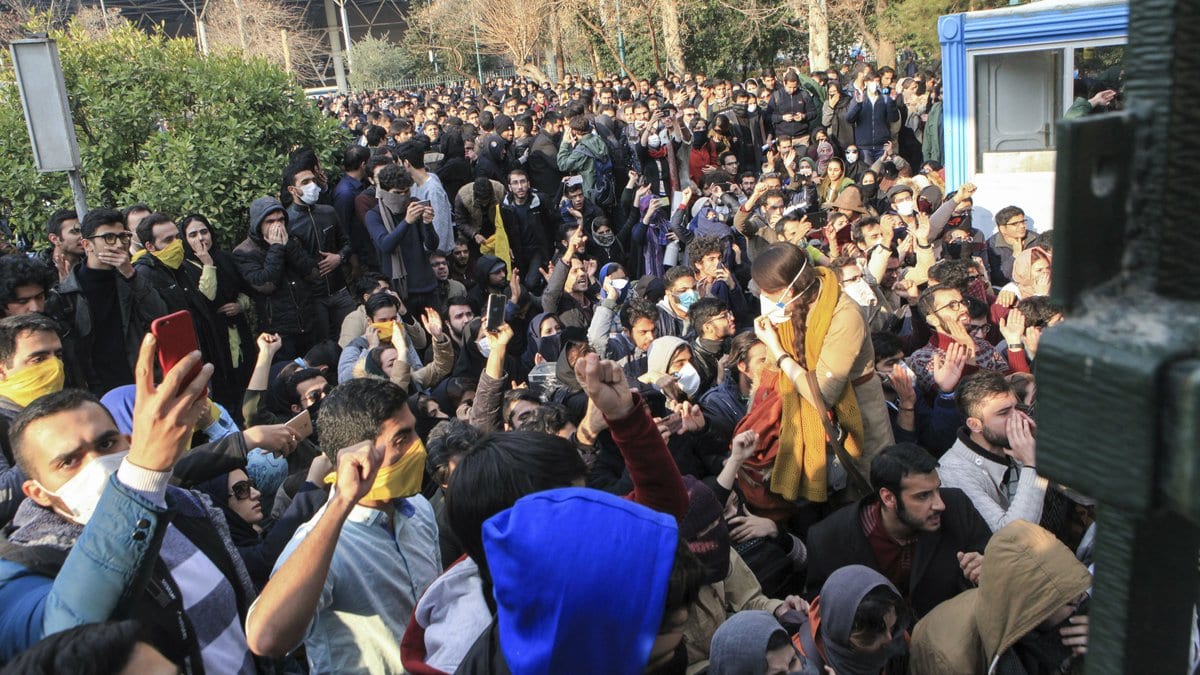
Having said that, security forces have not stood by silently. Reports of live fire and clashes at Chehelom gatherings, including at cemeteries in Abdanan, Mashhad, and other cities, have surfaced alongside attempts by the state to organize official ceremonies that frame the dead as victims of “terrorists” and foreign influence. In response, independent mourners have doubled down on their own rituals.
This movement of bodies at gravesides, of music in the face of repression, is not whimsical. It is a message written in gesture and rhythm: this struggle will not be silenced, and the blood that has been shed will radicalize the nation’s conscience. History offers a sobering lesson. When a state turns its force against its own young generation, it does not secure stability. It accelerates its own reckoning.
20/02/2026
Toronto