
واکسن Pfizer برای نوجوانان 12 تا 15 سال
کانادا اولین کشور در جهان در واکسیناسیون نوجوانان
- کانادا اولین کشور در جهان است که واکسن Pfizer را برای نوجوانان 12 تا 15 سال تایید می کند.
- انتاریو قصد دارد قبل از سال تحصیلی آینده نوجوانان را کاملاً واکسینه کند.
- بهداشت کانادا واکسیناسیون کودکان 12 تا 15 ساله را مجاز اعلام کرده است.
شارما در جلسه توجیهی گفت: واکسیناسیون کودکان به کنترل انتقال ویروس کمک می کند و به کودکان امکان می دهد که به زندگی عادی تری برگردند.

مقامات گفتند ، آزمایشات بالینی واکسن Pfizer-BioNTech در بین جوانان نشان داد که این ماده پس از دو دوز 100٪ موثر است. شارما گفت کانادا اولین کشور در جهان است که واکسن Pfizer-BioNtech را برای کودکان 12 تا 15 ساله مجاز می داند. اگرچه کشورهای دیگر در حال مطالعه این داده ها هستند. واکسیناسیون این گروه سنی در کانادا می تواند بلافاصله آغاز شود.
مارک برتیام ، مدیر دفتر علوم پزشکی در بهداشت کانادا ، در یک کنفرانس مطبوعاتی گفت که شرکت های تولید کننده واکسن های Pfizer-BioNTech و Moderna هر دو در حال انجام مطالعات روی واکسن برای کودکان کم سن و سال هستند. وی گفت که بررسی واکسن های Moderna بر روی کودکان 12 تا 15 ساله در حال انجام است و نتایج به زودی اعلام می شود. وی گفت: انتظار میرود نتایج مطالعه دیگری در مورد این واکسن برای کودکان شش ماهه تا 12 ساله در سال 2023 اعلام شود.

نخست وزیر آلبرتا جیسون کنی، که شاهد افزایش مواردی این بیماری و فشار بر روی سیستم بهداشتی است ، اعلام کرد که این استان واکسیناسیون را برای همه افراد بالای 12 سال آغاز خواهد کرد. او می گوید که این بدان معناست که 1.3 میلیون نفر دیگر از ساکنان آلبرتا واجد شرایط واکسیناسیون هستند. قرار است برای جلوگیری از ناکارآمدی سیستم رزرو وقت واکسیناسیون، تاریخ های ررزو متغیر باشد. افراد متولد 1992 تا 2009 از دوشنبه واجد شرایط ثبت نام هستند. آلبرتا محدودیت های شدیدتری را در بهداشت عمومی ایجاد کرد ، از جمله تعطیلی مدارس برای یادگیری حضوری و بسته شدن آرایشگاه ها، سالن های زیبایی و فضای باز رستوران ها.
مقامات در مانیتوبا همچنین به این تصویب از سوی بهداشت کانادا واکنش نشان دادند و گفتند كه آنها قصد دارند برای افراد 12 ساله واکسن بزنند. یوهانو بوتا ، یکی از رهبران گروه واکسن در این استان ، می گوید که مانیتوبا قصد دارد تا همه افراد واجد شرایط تا 21 می وقت واکسیناسیون خود را رزرو کنند. وی می گوید وقت های واکسیناسیون تا اوایل ماه ژوئن تمدید می شوند.
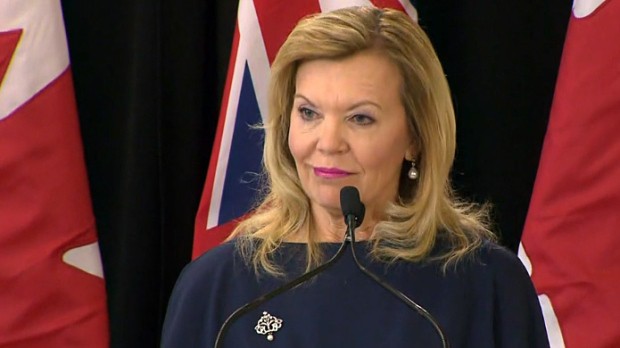
در همین حال ، کریستین الیوت ، وزیر بهداشت انتاریو ، تصویب واکسن Pfizer-BioNTech برای جوانان 12 تا 15 ساله را خبر خوشی خواند و گفت که استان در اولین فرصت برای واکسیناسیون این گروه سنی آماده می شود. وی در یک کنفرانس مطبوعاتی گفت که اکنون بحث و گفتگو با وزارت آموزش و پرورش در جریان است. الیوت توضیح داد که “برنامه شروع واکسیناسیون در مدارس” برای دوز اول می باشد و دوز دوم قبل از بازگشت به مدرسه در ماه سپتامبر انجام می گیرد. مدارس انتاریو اکنون برای یادگیری حضوری بسته شده اند و هیچ خبری از زمان بازگشایی آنها وجود ندارد. همچنین مشخص نیست که آیا کلینیک های واکسن در مدارس برگزار می شوند حتی اگر کلاس هایی در آنجا برگزار نشود.
الیوت در پاسخ به سوالی در مورد اینکه آیا استان قصد دارد واکسیناسیون را در بین معلمان تسریع کند تا اطمینان حاصل شود که قبل از پاییز کاملاً واکسینه شده اند ، گفت: “بله.” در حال حاضر ، کارکنان مدارس ابتدایی و متوسطه واجد شرایط رزرو واکسن از 6 می هستند. برخی از مربیان قبلاً دوز اول دریافت کرده اند زیرا طبق قوانینی که واکسن را به افراد بر اساس سن ، شرایط بهداشتی ، محل سکونت یا محل کار در یک نقطه خاص استانی ارائه می دهند ، واجد شرایط هستند. مربیانی که مستقیماً با کودکان دارای نیاز بالا کار می کنند نیز واجد شرایط واکسن هستند.
در حال حاضر بین دوز اول و دوم چهار ماه تأخیر وجود دارد. مشخص نیست که آیا در این مورد تجدید نظر می شود یا خیر. مقامات استانی روز چهارشنبه در یک جلسه توجیهی گفتند که این موضوع تحت بررسی است. این مسئله همچنین به تأمین واکسن بستگی دارد. اما اگر تأخیر بین دوزها چهار ماه باقی بماند ، کارکنان مدرسه باید اولین دوز را تا اوایل ماه مه دریافت کنند تا در اوایل ماه سپتامبر هنگام بازگشایی مدارس واکسینه شوند.
در جلسه توجیهی فنی روز چهارشنبه ، مقامات بهداشت انتاریو گفتند قبل از تصمیم گیری در مورد قرارگیری جوانان در سنین 12 تا 15 سال در نوبت واکسن، تعدادی از فاکتورها باید مورد توجه قرار گیرند ، از جمله نحوه قرارگیری آن گروه سنی در استراتژی کلی اولویت بندی واکسن ها بر اساس سن و خطرات سلامتی ، نیاز ساکنین اونتاریو برای دریافت دوز دوم و نحوه تزریق برای کودکان 12 تا 15 سال.
واکسن Pfizer-BioNTech قبلاً برای افراد 16 سال به بالا تأیید شده است
اکنون چندین شرکت دیگر در حال انجام آزمایشات بالینی بر روی واکسن ها برای کودکان شش ماهه تا 11 ساله هستند. در مورد موضوع مخلوط کردن انواع واکسن ها برای دوز دوم ، مقامات بهداشت کانادا گفتند که یک آزمایش بالینی درباره این موضوع ممکن است در کانادا آغاز شود. یک مطالعه در انگلستان در مورد مخلوط کردن واکسن ها در حال انجام است و نتایج آن ماه آینده اعلام می شود.
انتاریو همچنین چهارشنبه برنامه واکسیناسیون خود را به روز کرد. به گفته مقامات، این استان در حال واکسیناسیون 65 درصد از ساکنان 18 سال به بالا با اولین دوز واکسن تا پایان ماه می است.
سه گروه جدید، واجد شرایط رزرو واکسن در 6 می هستند: افراد 50 ساله و بیشتر، کسانی که دارای شرایط پزشکی پر خطر هستند. و گروه 1 از کسانی که نمی توانند از خانه کار کنند. گروه 1 شامل معلمان و سایر مربیان، پلیس و مقامات آتش نشانی، کارگران بخش مواد غذایی، تولید و توزیع و کارگران کشاورزی و سایر افراد است. شرایط “با خطر بالا” شامل چاقی، افرادی که تحت درمانی هستند که باعث سرکوب سیستم ایمنی می شود (مانند شیمی درمانی) ، افراد دارای ناتوانی در رشد و غیره می شود.در مجموع بیش از 5.4 میلیون دوز واکسن در استان انتاریو استفاده شده است. این مقدار 82.39 درصد از واکسن موجود در انتاریو است.
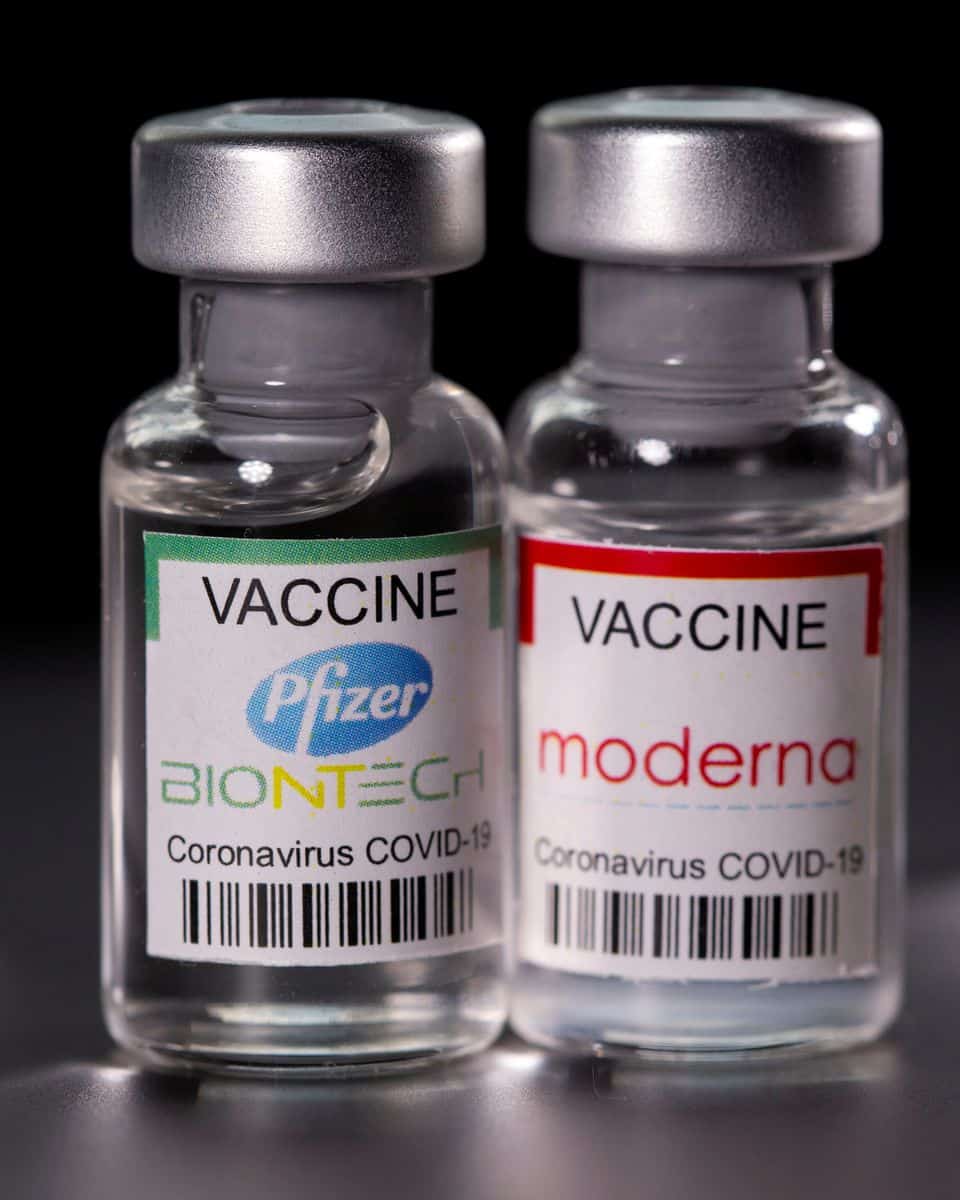
الیوت همچنین اعلام کرد که از این هفته واکسن Moderna در حداکثر 60 داروخانه در کانون های تعیین شده برای افراد 18 سال به بالا در اتاوا و همچنین در دورهام ، همیلتون ، ویندزور-اسکس و منطقه یورک تجویز می شود. با شروع واکسن Moderna ، لیست داروخانه های شرکت کننده در وب سایت استان مشخص می شوند ، اگرچه داروخانه ها به استفاده از سیستم رزرو خود برای واکسیناسیون ادامه می دهند. الیوت گفت: داروخانه های سایر واحدهای بهداشت عمومی با افزایش عرضه به این لیست اضافه می شوند. این استان گفته است که همه افراد بالای 18 سال باید واجد شرایط رزرو واکسن تا 24 می باشند.
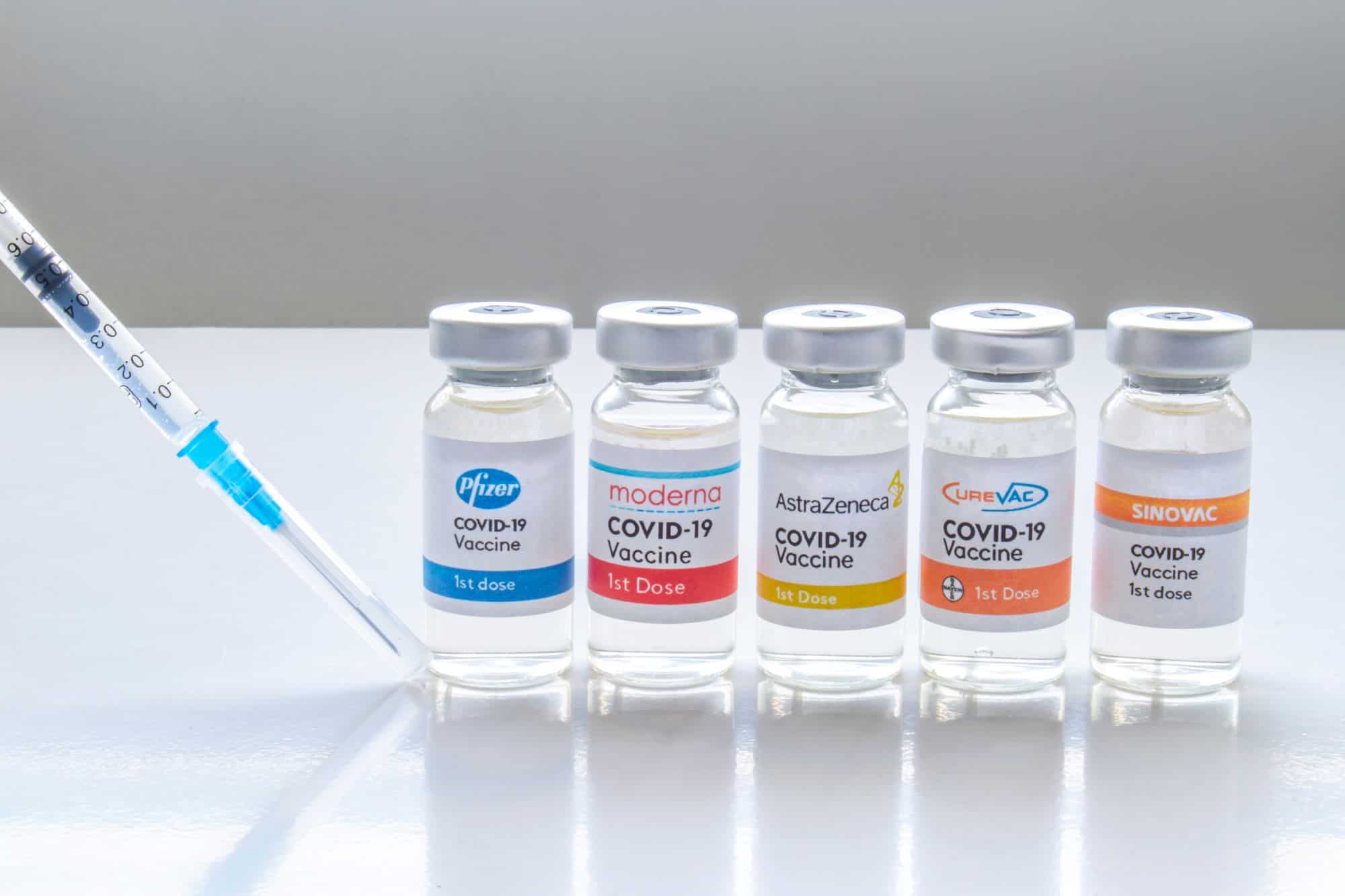
در جلسه توجیهی روز چهارشنبه، مقامات بهداشت کانادا همچنین تأکید کردند که واکسن AstraZeneca همچنان یک گزینه مناسب است، به ویژه در مناطقی از کشور که انتقال ویروس کم است. آنها گفتند که مردم باید آگاهانه انتخاب کنند. برتیام گفت: خطر لخته شدن خون با واکسن AstraZeneca نادر است. وی گفت: حدود 22 میلیون نفر در انگلیس واکسن AstraZeneca دریافت کرده اند که به کنترل شیوع بیماری در آنجا کمک کرده است.
برای بیشتر مناطق در کانادا ، مزایای دریافت واکسن AstraZeneca برای محافظت از فرد و همچنین جامعه بیش از خطرات آن است. وی گفت: و حتی در مناطقی که اکنون نرخ انتقال ویروس در جامعه کم است ، این مسئله ممکن است به سرعت تغییر کند. مقامات بهداشت کانادا گفتند که خطر لخته شدن خون بعد از اولین دوز AstraZeneca حدود یک در 100000 است. برتیام گفت: خطر تصادف رانندگی 25 برابر بیشتر است. برتیام گفت: اطلاعات کمتری در مورد خطر لخته شدن خون بعد از دوز دوم وجود دارد ، اما در انگلستان ، جایی که 4.4 میلیون نفر دومین دوز AstraZeneca را دریافت کرده اند ، چهار مورد لخته شدن خون وجود داشته است که یعنی خطر آن یک در یک میلیون است.

در اوایل این هفته ، کمیته مشاوره ملی ایمن سازی (NACI) پس از بیان اینکه واکسن های mRNA از جمله Pfizer و Moderna “بر واکسن های ناقل ویروسی مانند AstraZeneca و Johnson & Johnson” ترجیح داده شده اند ، به ایجاد سردرگمی متهم شد. در نامه شفاف سازی که روز چهارشنبه ارسال شد ، دکتر کرولاین کواچ تان، رئیس NACI گفت که به نظر می رسد مردم فکر می کنند این بدان معناست که اگر واکسن AstraZeneca را دریافت کنند ، دومین گزینه مناسب را دریافت می کنند. او گفت: “این توصیه گذشته نگر نیست. این بدان معناست که همه کسانی که واکسن AstraZeneca را دریافت کرده اند در برابر کووید-19 محافظت شده اند. ”
“در حقیقت ، اثربخشی (داده های دنیای واقعی) نشان می دهد که اولین دوز واکسن AstraZeneca به اندازه اولین دوز واکسن mRNA در جلوگیری از بستری شدن در بیمارستان و مرگ و میر ناشی از SARS-CoV-2 اصلی و نوع دیگری که اولین بار در انگلستان شناسایی شد، موثر است. وی گفت: “افرادی كه واكسن AstraZeneca خود را عمدتاً هنگام انتقال کووید-19 در جامعه خود دریافت كرده اند، در حقیقت اقدام صحیحی انجام داده اند. آنها از خود و خانواده خود در برابر عوارض این ویروس محافظت کردند.”
کواچ تان افزود: آنچه ما از آنها می خواهیم این است كه افراد دارای ریسك ابتلا به کووید-19 را طی چند هفته آینده ارزیابی كنند. از آنجا که باید دوز واکسن mRNA به اندازه کافی وجود داشته باشد تا افراد بتوانند از همین حالا تا پنج هفته آینده به یک دوز دسترسی پیدا کنند. ”
“بسته به محل زندگی و کاری که انجام می دهید ، خطر ابتلا به کووید متفاوت است. اگر خطر ابتلا به کووید متوسط تا زیاد است ، اولین واکسن موجود را از هم اکنون دریافت کنید. در غیر این صورت ، لازم است خطر عوارض کووید را در مقابل خطر VITT (ترومبوسیتوپنی ترومبوتیک ناشی از واکسن) بررسی کنید که اگرچه نادر است ، اما وجود دارد و ممکن است منجر به عوارض شدید شود. ” VITT تاکنون با واکسن های mRNA ایجاد نشده است.
نیوبرانزویک پس از واکسیناسیون با AstraZeneca در روز چهارشنبه ، مرگ یک فرد را به دلیل لخته شدن خون و پلاکت کم گزارش کرد. دکتر جنیفر راسل ، رئیس ارشد پزشکی استان ، در یک کنفرانس رسانه ای گفت: “این فرد 60 تا 69 ساله بود و علائم هفت روز پس از واکسیناسیون مشاهده شد.” وی گفت که دو پرونده دیگر در دست بررسی است. راسل همچنین تأکید کرد که خطرات این واکسن از مزایای آن بیشتر است و استان به استفاده از واکسن های AstraZeneca ادامه خواهد داد. وی گفت: مرگ یک فرد پس از لخته شدن خون غم انگیز است، اما به همان اندازه غم انگیز است که فرد به شدت بیمار شود یا بر اثر ویروسی که برای آن واکسن موجود است، بمیرد. در حال حاضر ، نیوبرانزویک واکسن AstraZeneca را برای افراد 55 سال به بالا رزرو می کند.