
Mina Rahimi- Toronto| When I was a student in Ontario, OSAP wasn’t some abstract support system. It was the thin line that made studying possible. Every expense had to be calculated. Rent, groceries, transportation, tuition. There was no margin. Even then, with more grant support in place, the pressure was constant. Today, with the cost of living visibly higher across the board, that same pressure has intensified. What used to be difficult is now, for many, barely manageable. And that’s before factoring in the shift toward more debt. This is why the recent changes to student aid in Ontario matter.
I don’t need a policy briefing to understand OSAP. I’ve lived it.
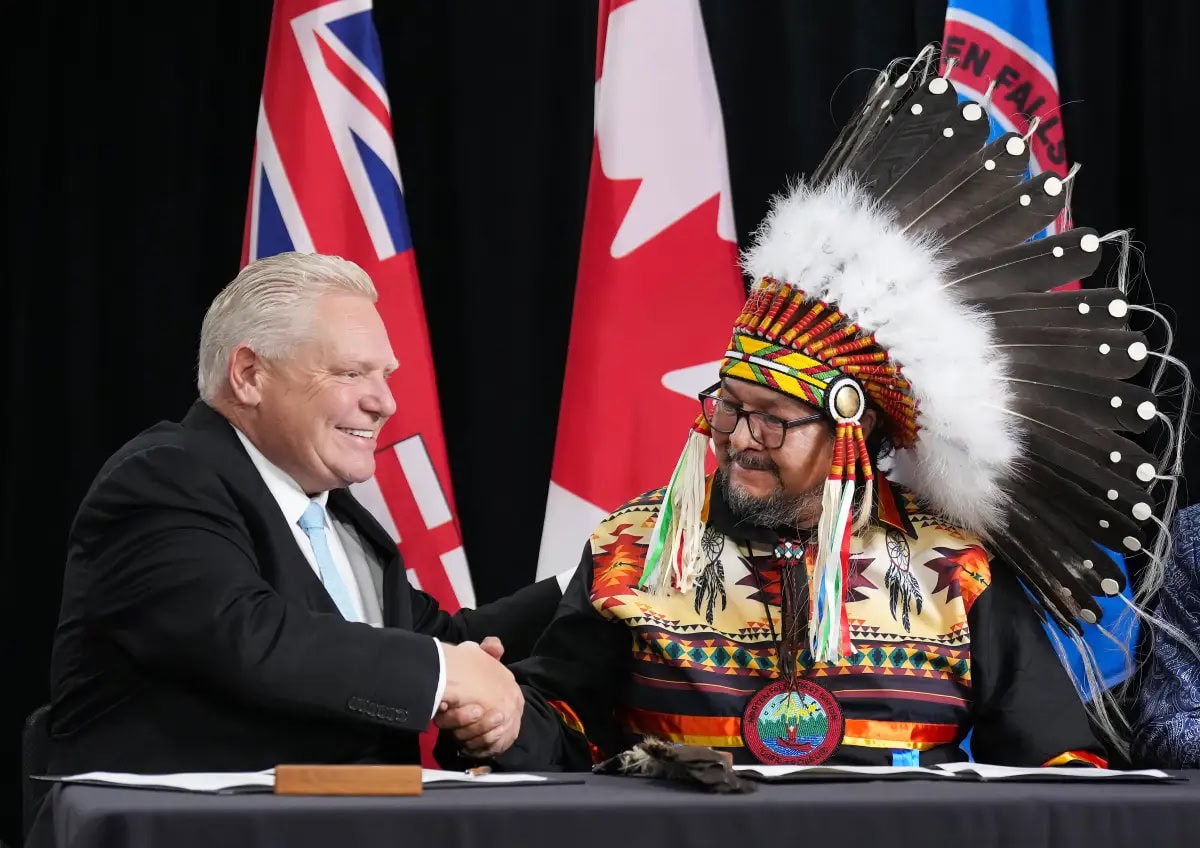
Starting in 2026, the balance of support is moving heavily toward loans, with grants making up a much smaller portion of what students receive. At the same time, tuition is no longer frozen. The official explanation is sustainability. But on the ground, the meaning is straightforward. Students will carry more of the cost themselves and enter their future with heavier financial obligations. In practice, this decision by the government of Doug Ford shifts a greater share of the cost of education directly onto students. This policy reshapes how decisions are made.
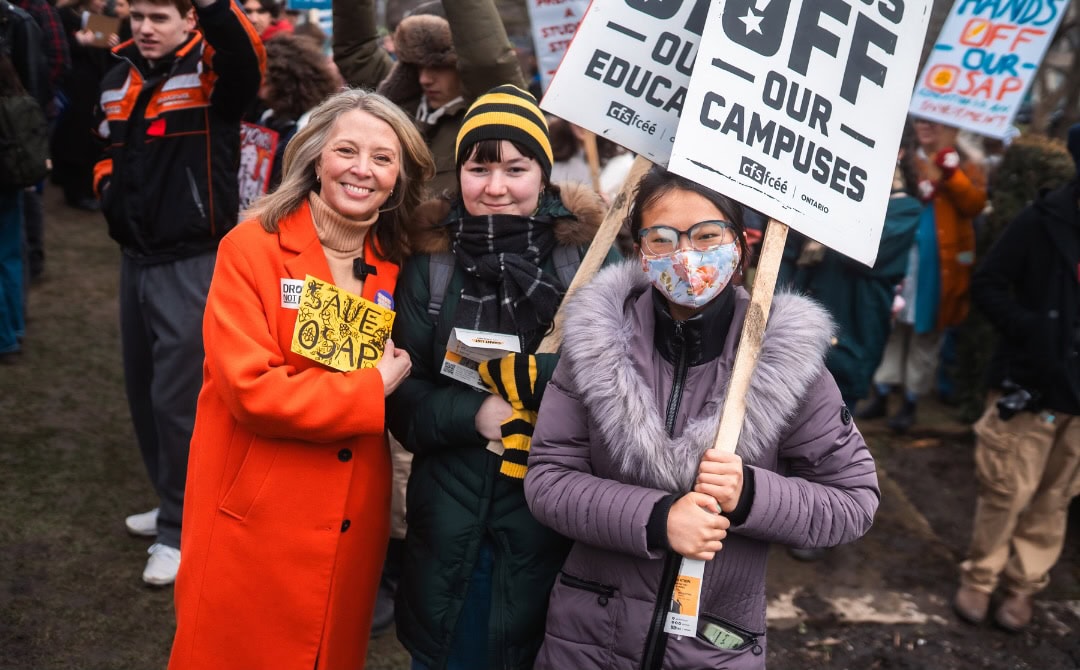
Marit Stiles, leader of the Ontario New Democratic Party, has been one of the few political voices willing to address that directly. Her focus has not been on technical adjustments, but on consequences. What happens when debt increases. Who hesitates before enrolling. Who delays. Who decides it is simply not worth it. Her push to restore grant levels and remove interest from student loans is not symbolic. It is aimed at reversing a direction that risks narrowing access.
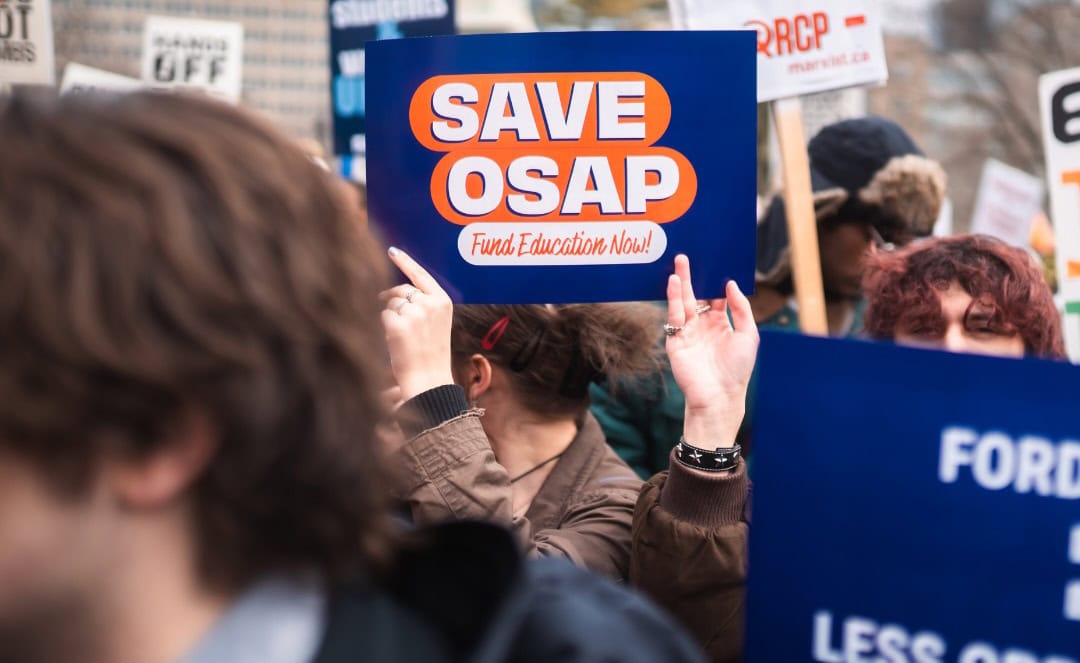
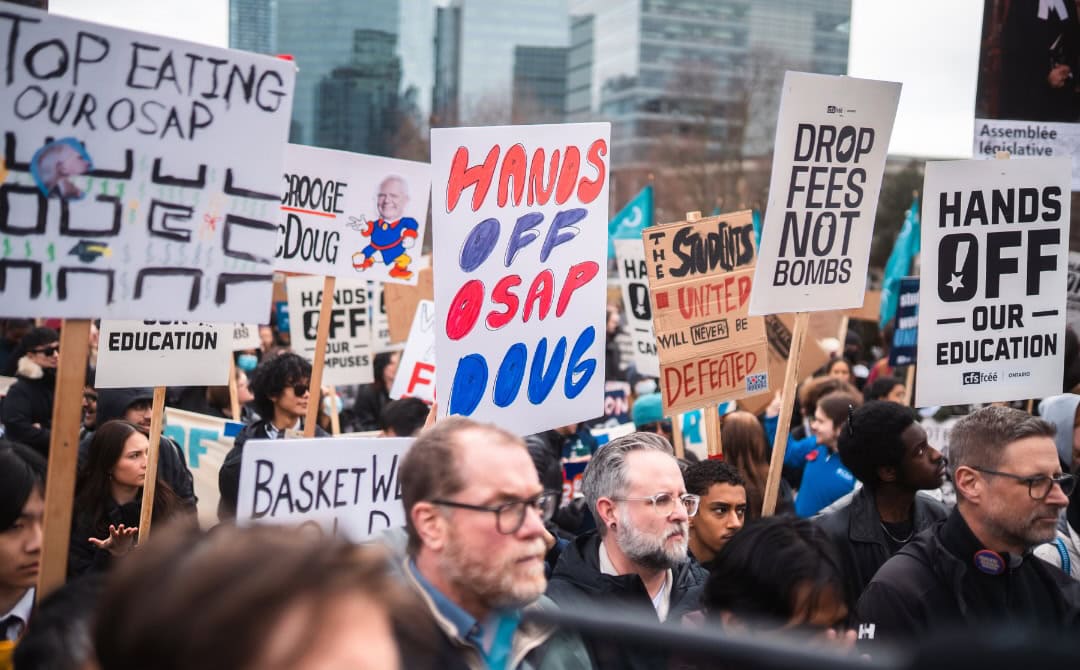
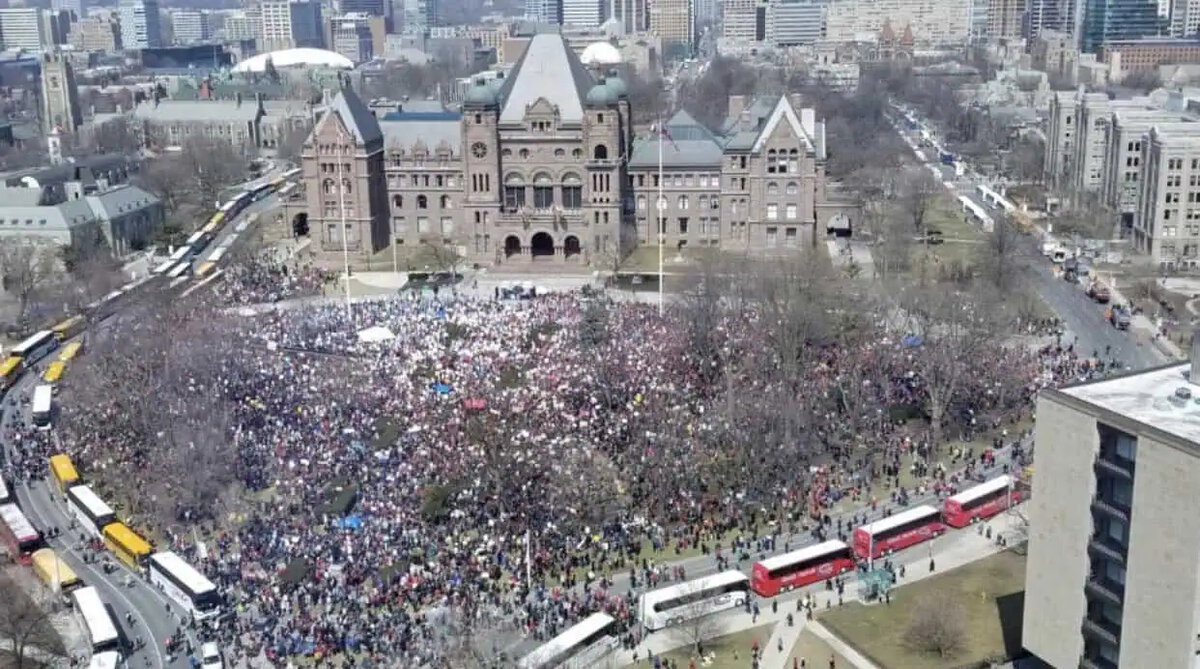
Students across the province have already responded with more clarity than most policy debates ever achieve. Protests at Queen’s Park and coordinated actions on campuses made one thing visible. This is not a quiet policy change. It is being felt immediately by the people it affects.
What makes the situation more troubling is the broader contradiction. Ontario is not facing a decline in the need for higher education. The opposite is true. Demand is expected to grow significantly in the coming years. The province will need more trained professionals, more capacity, and broader participation. Yet the financial structure is moving in a direction that makes entry more difficult for those without economic support.
There is no definitive data yet showing a drop in enrolment tied directly to these changes. But waiting for that kind of confirmation misses the point. Barriers do not always show up overnight in statistics. They appear in quieter ways. A student who decides not to apply. Another who chooses a shorter path instead of a longer one. Someone who walks away before even trying. This is where the conversation has to move beyond budgets.
Education is not just another expense category. It sits at the core of how a society builds its future. When access becomes more dependent on financial resilience rather than ability, the system starts to shift away from its purpose. The issue is not whether support exists. It is whether that support still functions as a bridge, or whether it has become a weight.
At the same time, the province continues to commit significant resources to large scale infrastructure and development projects. Those investments are part of long term planning. But they also expose priorities. When financial pressure emerges, the decision about where that pressure is applied matters. In this case, it is being directed toward students.
That is why this issue has traction. It is not ideological. It is practical. It is about who gets to move forward and who gets slowed down before they even begin. For a Canadian society with all the possible potentials, this is a risk of creating professional for the future of the country.