
Behnar Rahbar | Newmarket : The FIFA World Cup has always been more than a sporting event. It is a place for joy, excitement, heartbreak, hope, and the creation of moments that remain etched in memory for a lifetime. For many people, the World Cup becomes part of a generation’s collective memory, a shared experience of unforgettable goals, crowded streets, celebrations, and nights when millions set aside their differences and simply live football.
For Iranians living in Canada, the 2026 World Cup was supposed to be something different. For the first time, the world’s largest sporting event was coming to our doorstep. We no longer had to watch from thousands of kilometers away. Toronto and Vancouver were among the host cities, and many of us imagined we would witness one of the most memorable chapters in football history from up close.
But as the tournament approached, that excitement gradually gave way to something far more complicated. Excitement turned into uncertainty. Anticipation became anxiety. And for part of the Iranian community, even a sense of fear replaced the enthusiasm that had existed only months earlier.
Months ago, I had already begun planning my World Cup coverage. I expected to report from Newmarket, Richmond Hill, North York, and downtown Toronto. I planned to tell stories about families gathering to watch the matches together, restaurants and cafés filled with Iranian flags, and second generation Iranian Canadians experiencing the excitement of a World Cup in the country they now call home. Today, only days before kickoff, I am no longer sure what story I will be writing. Because unlike many previous tournaments, the Iranian community across North America appears more divided than ever.
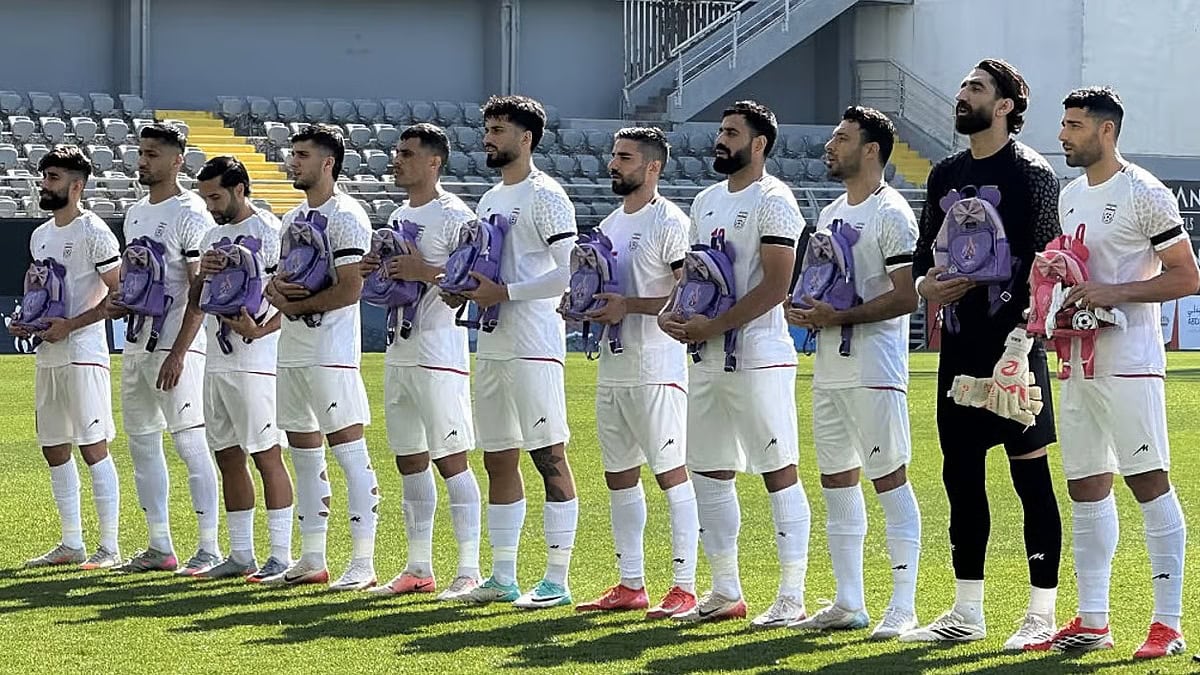
For one group of Iranians, the national team remains exactly that: the national team. Regardless of political differences, they see the players as representatives of Iranian football rather than any government. They want to see Iran advance, celebrate goals, and experience the same emotions that football supporters around the world feel every four years.
Amin, a 35 year old Toronto resident, is one of them. “Regardless of the government situation, this is our team and I will support them,” he says. “I cannot wait for the games to begin.” Yet even he acknowledges that this year’s atmosphere feels different. “In previous World Cups, Iranians gathered in bars and restaurants to watch the games together. This year, I honestly do not know if I want to do that. I do not know what is going to happen. I do not know who will be chanting for the team and who will be chanting against it. I will probably watch the matches at home or with a few friends. But I am still fully behind Team Iran.”
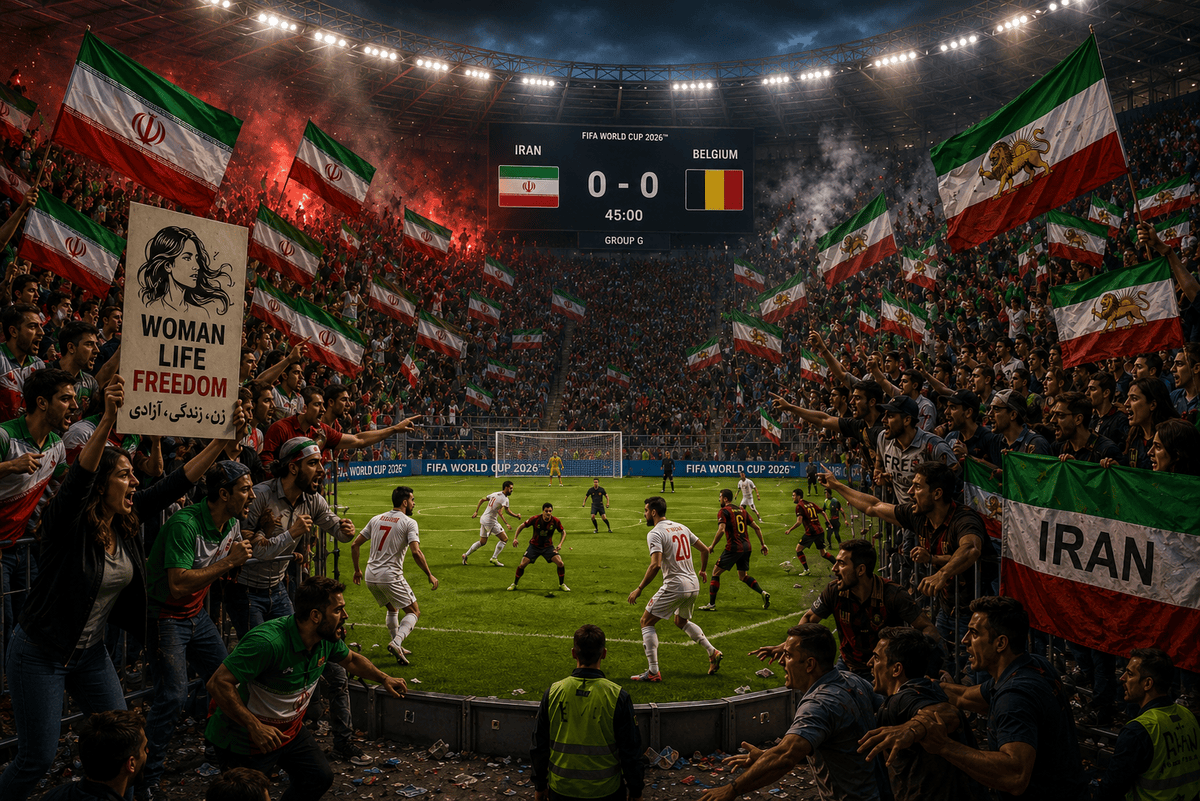
On the other side of the debate are Iranians who view the team very differently. Sepideh, 45, from Los Angeles, purchased tickets months ago. But not to support the team. “I have tickets and I am going to the stadium to protest against the team,” she says. Sepideh believes the squad represents the Islamic Republic rather than the Iranian people. “We want to show that this is not our team. We will chant for a free Iran. The stadium is an opportunity to express our anger toward the Iranian government.”
These two perspectives illustrate the deep divide that now exists within parts of the Iranian diaspora in North America. The split is emerging at a time when the World Cup itself is facing challenges.
High ticket prices have prevented many ordinary supporters from attending matches. Hotel operators and tourism businesses in several host cities have reported lower than expected booking numbers. Reports of unsold tickets and concerns about the increasingly commercial nature of the tournament have also drawn criticism. At the same time, strict U.S. border policies have created additional controversy. Reports of lengthy airport interrogations, visa complications for some visitors, and even the denial of entry to Somali referee Omar Abdulkadir Artan have generated criticism in the weeks leading up to the tournament. Taken together, these issues have contributed to a World Cup atmosphere that feels noticeably different from what many fans expected when the tournament was first awarded to Canada, the United States, and Mexico.
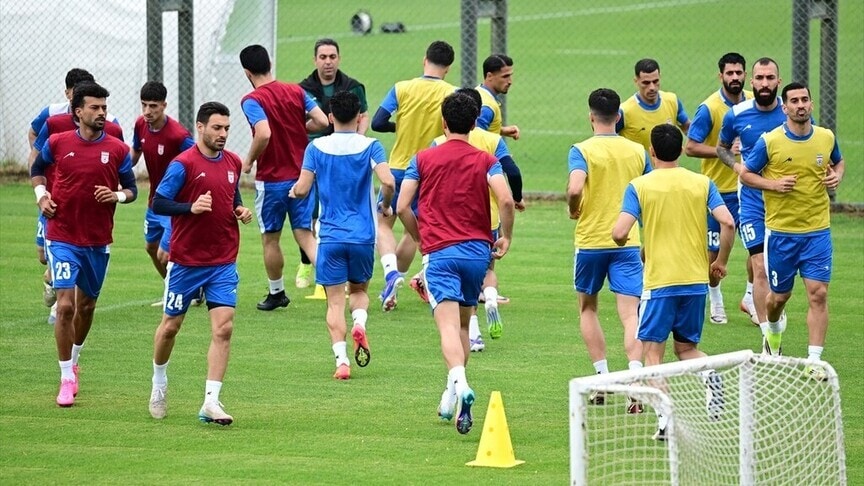
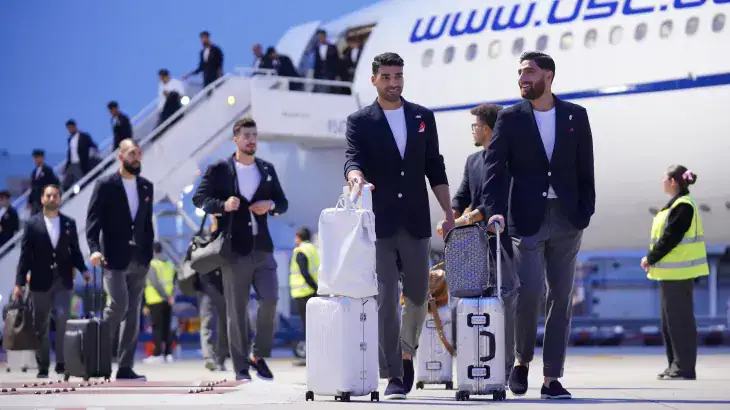
Amid discussions about tickets, politics, and divided fan bases, another reality should not be overlooked: Team Iran arrives at this World Cup under circumstances unlike many of its competitors. The players are entering the tournament only weeks after one of the most tense periods in the region’s recent history. The war involving Iran, Israel, and the United States, missile attacks, concerns for family members, and the broader climate of uncertainty have all formed part of the backdrop to the team’s preparations.
While many national teams spent recent months focused solely on training camps and tactical preparation, Iranian players were preparing for football while living under the shadow of conflict and uncertainty. Regardless of political views, that reality cannot be ignored. Iran enters the 2026 World Cup carrying not only the expectations that accompany any national team, but also the emotional weight of recent events that have affected millions of Iranians both inside the country and abroad.
For Iran, this World Cup is about more than football. A team from a country still recovering from war will step onto the field while, in the stands, a divided diaspora debates the meaning of the very jersey those players wear. Perhaps no team at this World Cup finds itself at the intersection of so many competing narratives. The World Cup was supposed to be a celebration.
The streets were supposed to be filled with flags. Cafés were supposed to overflow with supporters. Cities were supposed to be immersed in the joy of football. Yet for many Iranians in Canada and the United States, this tournament has become something else entirely: a reflection of divisions that have grown within the diaspora over many years.
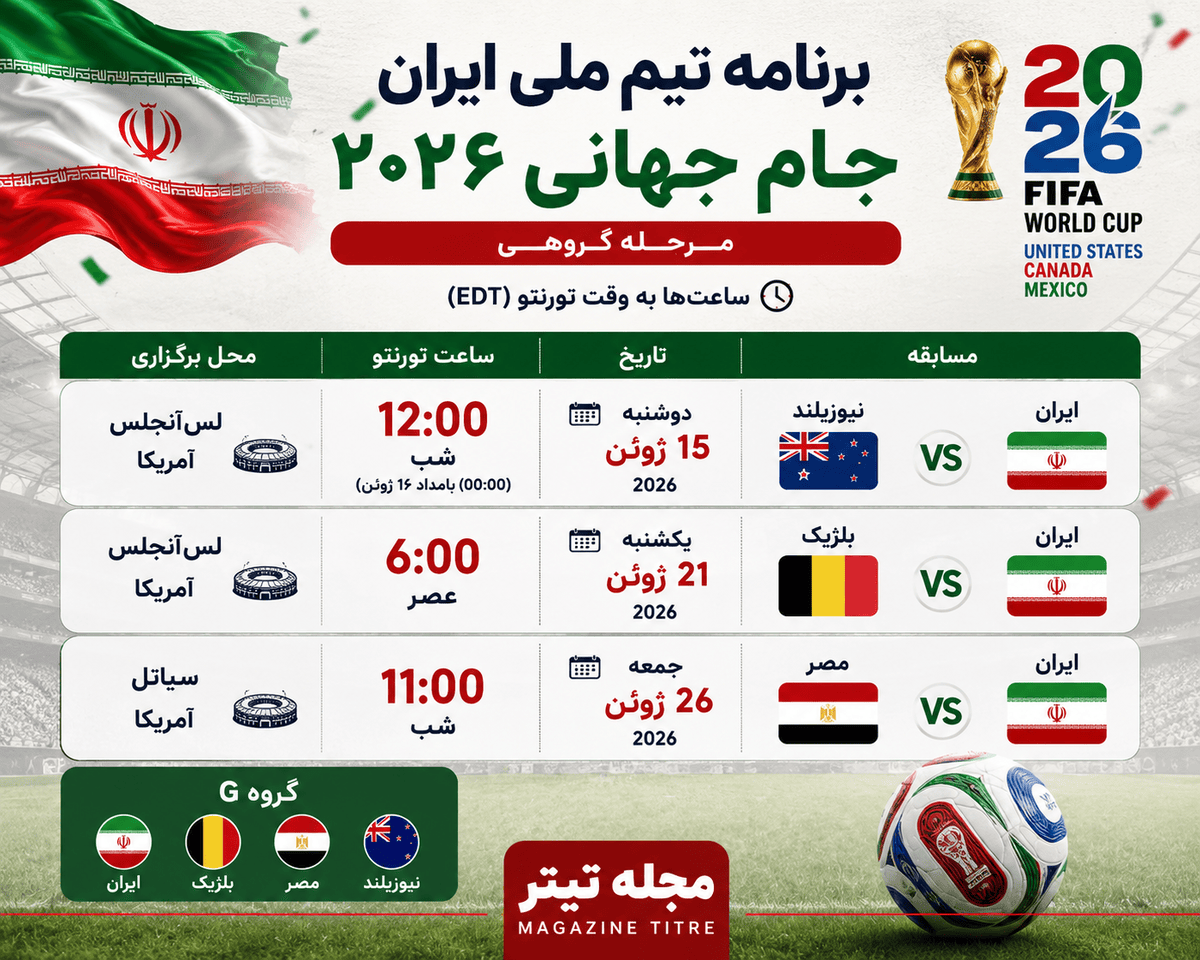
Iran may be chasing qualification for the knockout rounds on the pitch. But outside the stadium, in the stands, on city streets, and within Iranian communities across North America, another contest is unfolding. One whose outcome will not be decided by goals or points, but by competing ideas of identity, memory, belonging, and what it means to call a team “team Melli” (National Team).