


Ontario rewrites transparency rules
Ford moves to shield government records from public access
Mina Rahimi, Toronto| Ontario’s government is pushing forward with changes to its freedom of information system that would significantly reduce what the public can access from the offices of cabinet ministers and their political staff. The proposal is buried inside Bill 97, Plan to Protect Ontario Act (Budget Measures), 2026, part of the province’s latest budget legislation now moving through the Legislative Assembly of Ontario. If passed as written, it would alter how the Freedom of Information and Protection of Privacy Act applies to political offices at the highest levels of government. The shift is not subtle. It would remove entire categories of records from public reach.
Under the proposed changes, documents held by ministers, their political staff, and parliamentary assistants would no longer fall under the province’s access to information law. Even records under their control would be excluded unless they are formally held by a ministry or public institution. The most controversial piece is how far back it goes. The legislation includes a retroactive clause that would erase existing rights to access certain records and override past rulings that ordered their release. The language reaches back to 1988, when Ontario’s access to information system was first introduced.
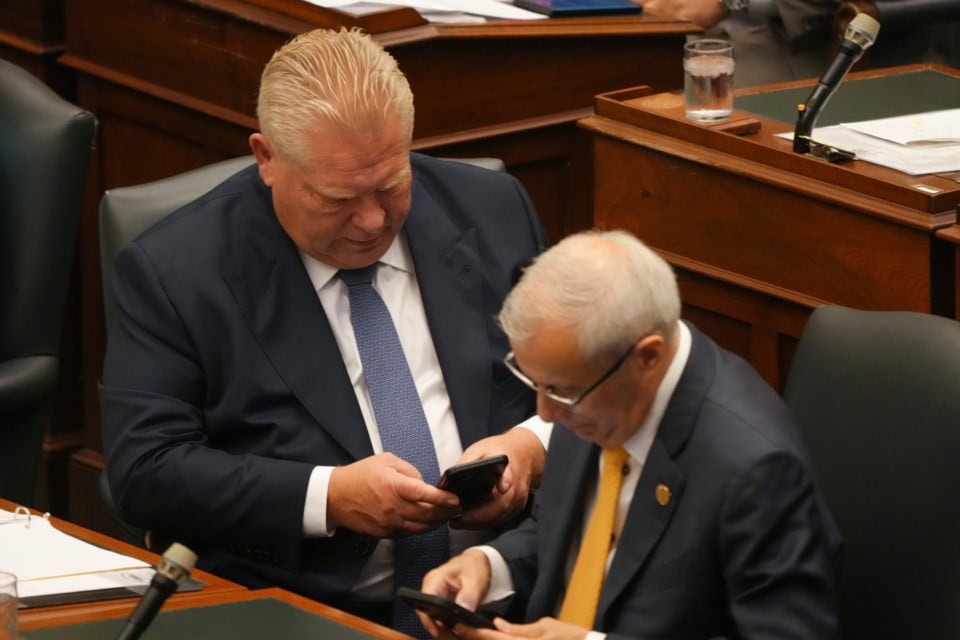
The government says the goal is modernization. In budget documents, it frames the changes as a way to streamline the system, improve security, and align Ontario with other jurisdictions across Canada. But the timing has raised questions that are not going away. The move comes after a legal defeat involving Doug Ford and his use of a personal cellphone for government related communication. Recent rulings found that those records could fall within the scope of public access under existing law. Instead of narrowing that interpretation, the government is now trying to redraw the boundary entirely.
Ford has defended the approach in public comments, suggesting that scrutiny should focus on decisions rather than private conversations. At the same time, the proposed changes would shield precisely the kind of records that were at the center of the case.
The Information and Privacy Commissioner of Ontario has raised serious concerns. Commissioner Patricia Kosseim has warned that the amendments would strip independent oversight from a large portion of government activity. Her office has also pointed out that current law already protects sensitive information such as personal data, commercial records, and cabinet confidences. From that perspective, the issue is not a gap in protection but a decision to remove access altogether.

The retroactive element has drawn particular scrutiny. It would not just change the rules going forward. It would cancel access rights that already exist and nullify decisions that have already been made.
Opposition parties have seized on that point. The Ontario New Democratic Party has argued the government is rewriting the law after losing in court, framing the move as an attempt to avoid accountability. Leader Marit Stiles has said the changes would make it harder for the public to scrutinize how decisions are made at the highest levels.
Public reaction has also been critical. Recent polling reported by Canadian media suggests a clear majority of Ontarians oppose the changes, especially the retroactive provisions. Legally, the government is within its authority to amend the law. There is no ruling that makes the proposal itself unlawful.
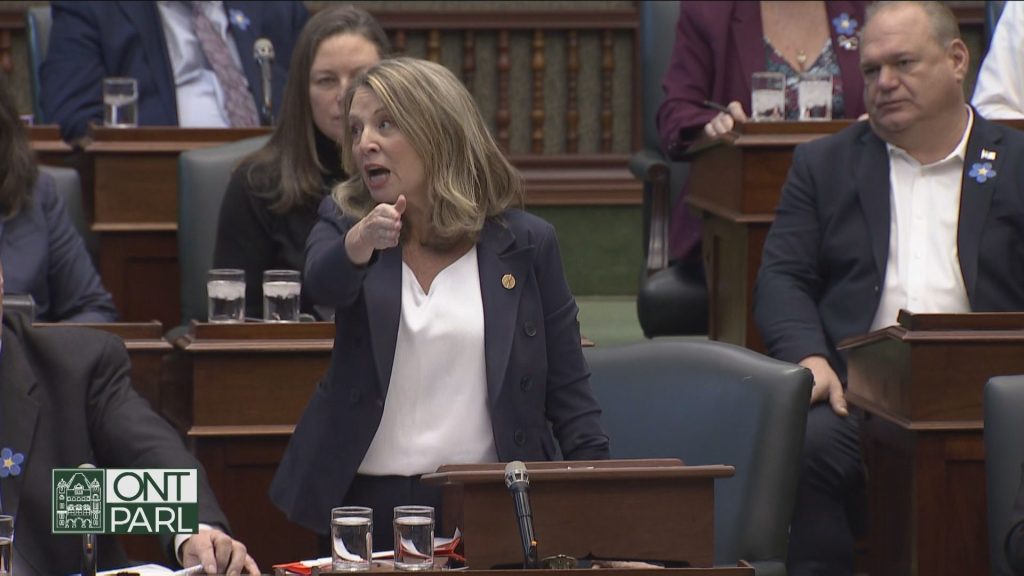
What has already been established, however, is that under the current system, certain records tied to the premier’s conduct were accessible. The proposed legislation would reverse that outcome by changing the system itself. What remains unknown is the content of the records that would be shielded. There is no verified public information detailing what they contain.
What is clear is the scope. Communications within ministers’ offices, including those conducted on personal devices for government purposes, would be pushed outside public reach. That is the real shift. For decades, Ontario’s access to information law has been one of the main tools used to understand how decisions are made behind closed doors. This proposal would redraw that line and move a significant portion of political activity to the other side of it.