
Part of Titre Mag’s special coverage of the 2026 Toronto International Film Festival
کارگردان و منتقد سینما
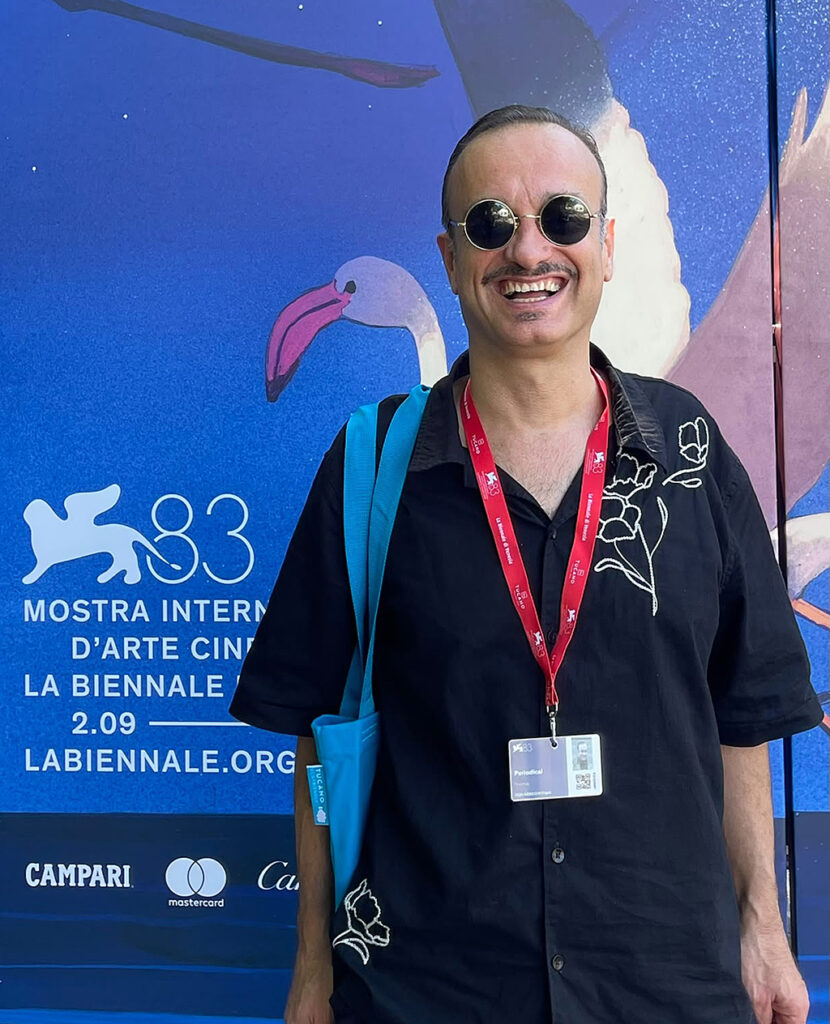
Majid Movasseghi
Film Director and Film Critic
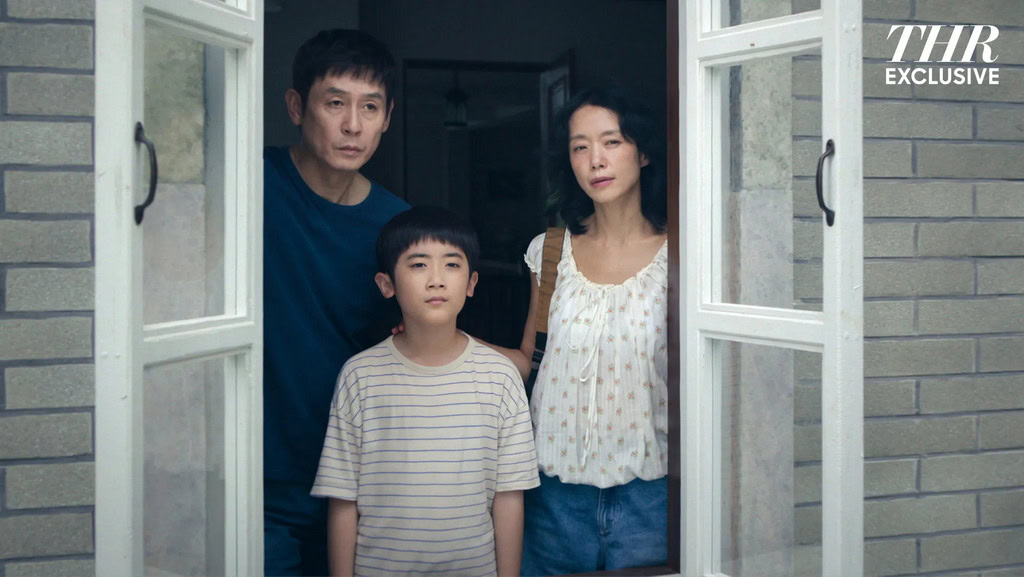
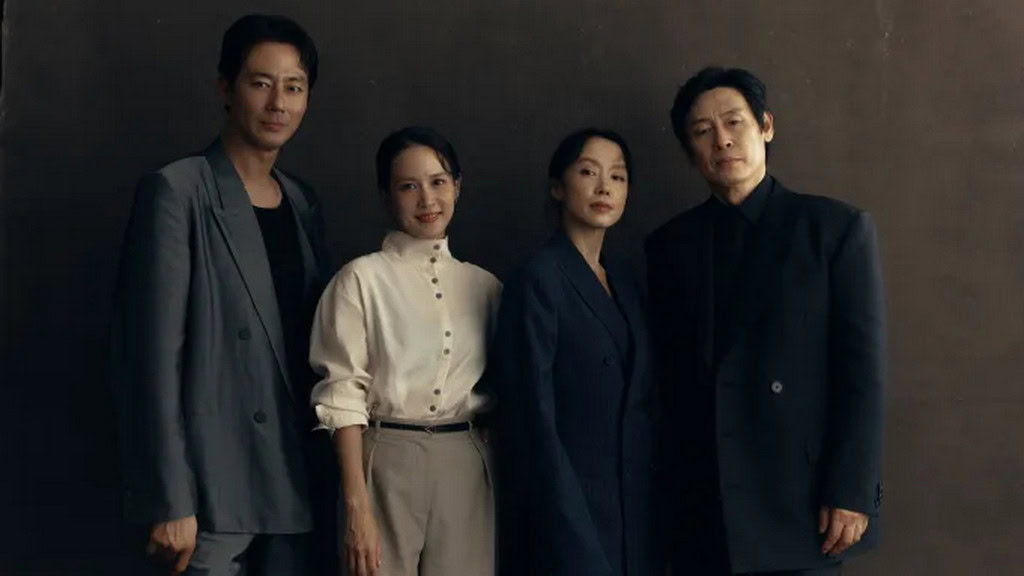
Majid Movasseghi – Toronto | Titre Mag: A few days ago, at the 51st Toronto International Film Festival, Possible Love, Lee Chang-dong’s latest film, screened in the Special Presentations section, marking the Korean filmmaker’s return to filmmaking eight years after Burning. The screening at the Princess of Wales Theatre was attended by Lee Chang-dong and members of the cast. But one of the most significant moments of his time in Toronto had come a day earlier, at the TIFF Tribute Awards, where Lee received the TIFF Ebert Director Award, becoming the first Korean director to receive the honour.
Sul Kyung-gu, who worked with Lee years earlier on Peppermint Candy and Oasis and now reunites with him in Possible Love, presented him with the award. In his remarks, Lee spoke of cinema as a way of understanding humanity, at a time when artificial intelligence is increasingly woven into human life and work, and concepts such as labour, identity, and the self are facing new questions.
But for me, Lee Chang-dong’s return is more than festival news. There are filmmakers we wait for not just because of their films, but because of the long intervals between them. Their new work, before it is even seen, emerges from the shadow of what came before. Lee Chang-dong belongs to that group, a filmmaker whose long absences do not lead to being forgotten, but instead heighten anticipation.
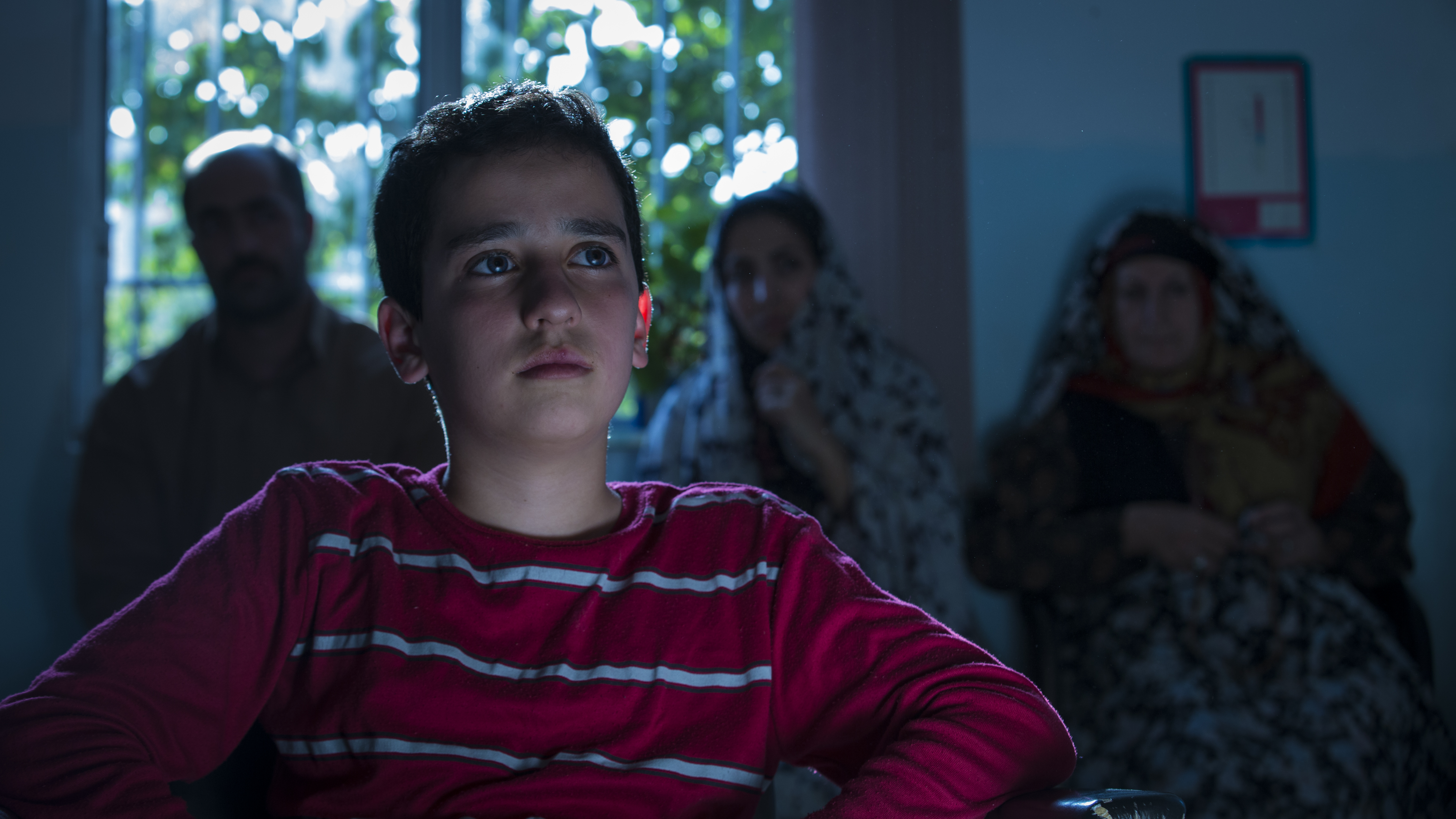
Nearly a decade ago, Burning created that kind of anticipation for whatever Lee might make next. It was a film that never handed anything to the viewer easily. Love, jealousy, social class, loneliness, desire, and violence became a psychological puzzle, one that slipped from our grasp every time we thought we were close to an answer. Burning is not just a film to me. Years later, I saw a large poster of it in the home of a cinephile friend, as if the film had passed through the screen and entered everyday life. Some films only really begin after the screening ends. They stay on the walls of homes, live on in conversations, and become part of how we remember cinema. Burning is one of those films for me.
Now Lee Chang-dong has returned, after eight years, with Possible Love. But this time, there is no literal burning. The fire in the new film flows instead through the relationships themselves, through the distance that forms between people, through desires left unspoken, through misunderstandings, and through an emotional quadrilateral in which every side is connected to the others. One could see the film as a quadrilateral in which love, desire, class, and the gaze of the other are the four principal forces. Each of these shapes the relationships and then slowly throws them off balance. Every closeness creates a new distance, and every distance opens up the possibility of a different kind of closeness.
Lee Chang-dong shows that love never happens in a vacuum. People enter relationships carrying their social position, their past, and the image they hold of themselves and of the other. What seems to happen between two people actually passes through a much larger network. Class difference here is not merely social context. It becomes part of the relationship itself, shaping even what people expect from love.
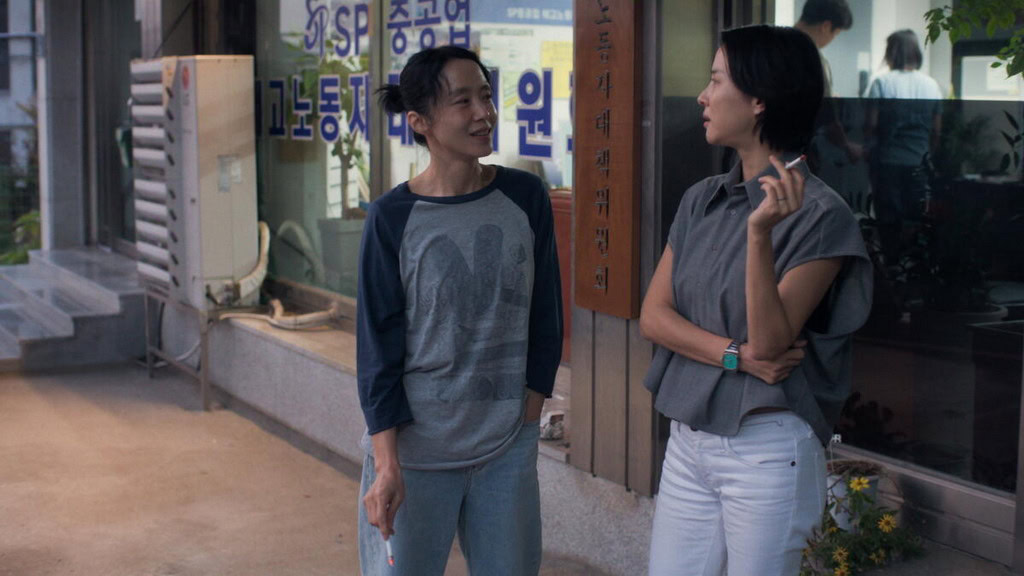
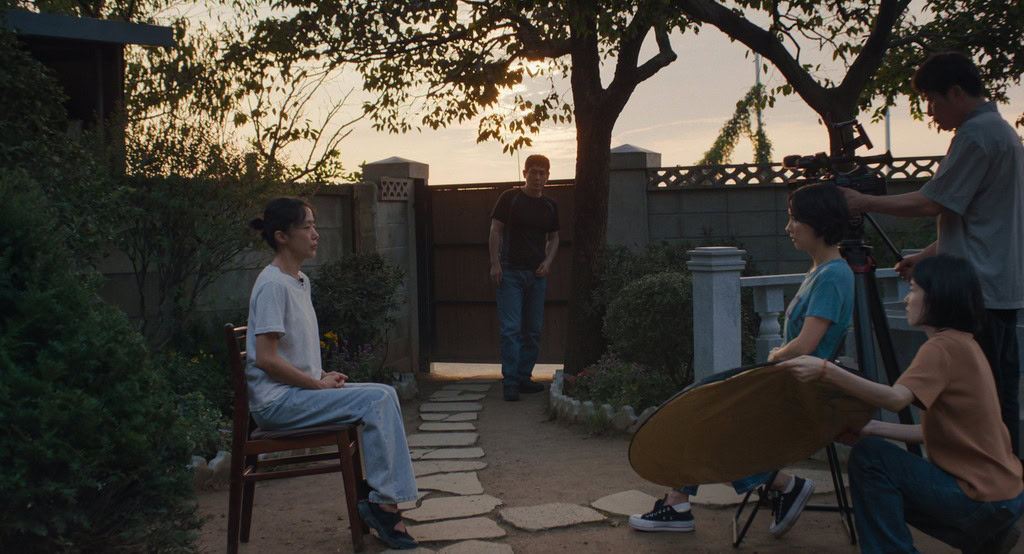
The film opens with what seems like an aimless excursion, a movement that gradually becomes the drama’s true engine. A documentary filmmaker, working on a film about laid-off workers and people living on the margins of today’s economy, enters the life of a couple whose economic and social standing is markedly different from her own and her husband’s. The camera is meant to record other people’s lives, but gradually the camera itself shifts from an instrument for recording reality into one of the film’s invisible characters.
Here, Chang-dong approaches the situation from two perspectives at once, as a screenwriter constructing the drama’s architecture and as a director who knows that once a camera enters people’s lives, it does not merely observe. It changes their relationships too. A film within the film takes shape. The documentarian wants to record other people’s lives, but ends up entering their world herself. The line between observer and observed gradually blurs. What was supposed to be the film’s subject becomes a relationship, and the relationship, in turn, gradually becomes drama.
Perhaps this is the film’s most delicate idea. One person makes a film about other people while being watched in turn. The camera does not just record a truth. Its presence can shape a new one. A person who knows they are being watched is no longer quite the same person they were before being seen. From this angle, Possible Love is not only about the relationships between people. It is also about the act of looking at them. Does the camera reveal the truth, or does what we call truth take on a new shape the moment it is seen? Lee Chang-dong, as in much of his work, gives no clear answer. Instead, he places the viewer in a position where they are forced to question their own way of seeing.
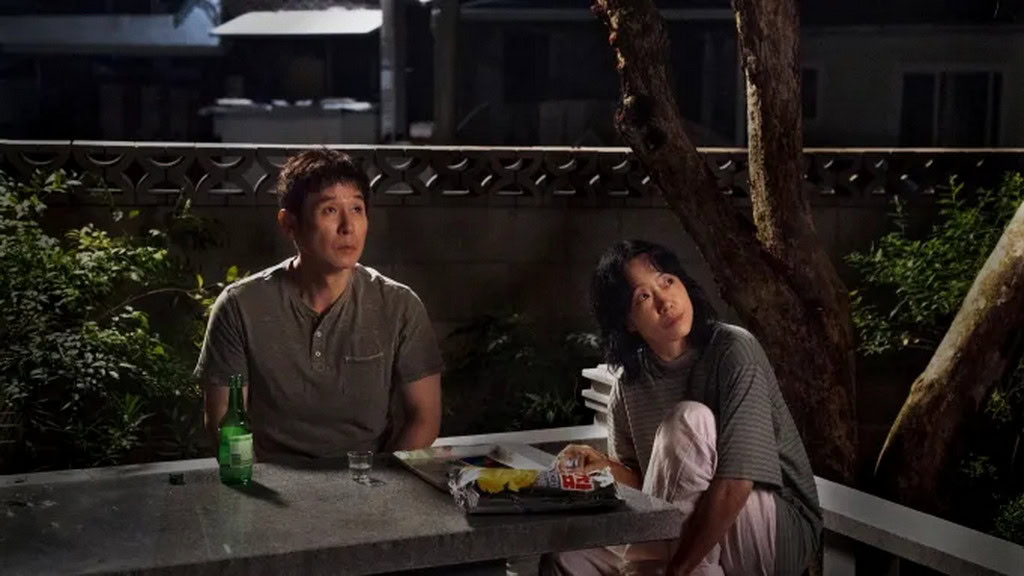
Characters who seem simple at first move further away from that initial clarity as the film progresses. Information is revealed gradually, and our judgment of the characters constantly needs revising. The film does not let the viewer decide too quickly who is right and who is to blame. This is precisely the point where Possible Love draws close to Burning and, at the same time, pulls away from it. In Burning, the mystery moved through the entire film like something that could never be contained. The closer we got to it, the further it slipped from our reach. That film drew much of its power from what it left unsaid. The gaps, the silences, and the things never fully explained became a central part of the experience of watching it.
Possible Love has its own ambiguity too, but it springs more from human relationships than from a central enigma. Here we are faced with people caught up in desire, memory, social position, and misunderstanding, people who might be able to love one another without being able to build the shared life they had imagined. Perhaps that is why the film’s title is less a romantic title than a question: Is love possible? But perhaps the word “possible” in this title matters more than “love” itself. Love may well exist, but the possibility of living with it is another matter entirely.
We might love someone, yet social circumstances, the past, fear, class, or even the image we have built of ourselves may not allow that love to become a shared life. Two people might draw close, but right at the moment closeness becomes possible, something inside or outside them creates distance once again. In one part of the film, the presence of a child on a trip into nature, accompanied by a caretaker who treats him with kindness, took on a different meaning for me, as if the film steps back for a moment from that quadrilateral to show a simpler form of human connection, a connection built less on desire and possession, and one that perhaps, for that reason, feels more human. These small moments draw the notion of the “possible” out of everything that seems impossible.
Still, for me, Possible Love does not shine as brightly as Burning. Perhaps the comparison was unfair from the start. Burning cast a long shadow over every film Lee Chang-dong would make afterward, a film that, even years later, resists any simple conclusion. Something in it always remains unfinished, not out of weakness, but out of a refusal to resolve itself.
In Possible Love, that elusiveness is less pronounced. Here, people have taken the place of secrets, and what needs to be discovered is not some hidden truth, but the shifting shape of people’s feelings. But perhaps this difference is one we should accept. The new film was never meant to be another Burning. It was meant to be a different film by the same filmmaker, one who has returned, this time by another path, to the same questions. Questions that, perhaps, were never really about love in the simple sense. They were about the possibility of drawing close, about the distance that exists between two people even when they are standing side by side, and about whether truly knowing another person is even possible, or whether we always leave some part of the other in the dark.
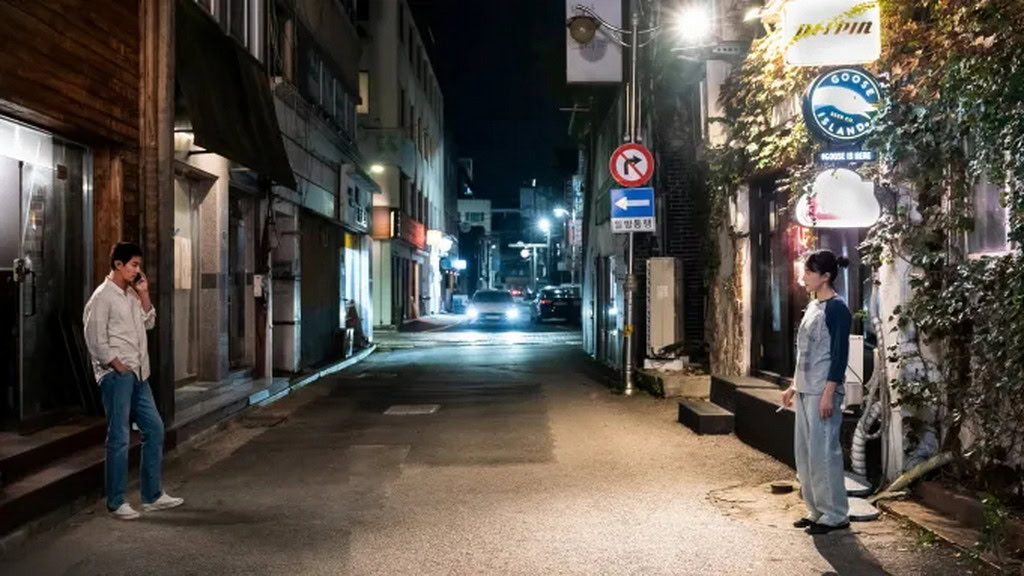
And perhaps for that reason, Possible Love can be seen as a continuation of Burning, not in story or character, but in the question running beneath both films: if people want to be with one another, why is reaching each other so difficult? Burning ended in fire, but that fire lingered in the mind. In Possible Love, nothing burns, or perhaps the fire has simply changed shape. This time, the flame moves among the four sides of a relationship, between love and desire, class and the gaze of the other, between what people want and what life allows them.
After burning, is love possible? Perhaps. But not simply, not for everyone, not always, and perhaps not in the shape we imagined it. Some loves never become relationships. Some relationships never last. And some people draw close to one another at exactly the moment when the conditions for staying close no longer exist.
But the film does not have to say whether love is possible or not. Perhaps it is enough to leave the question standing. Perhaps this is exactly where cinema stays alive, in the distance between what we want and what is possible, between what we have seen and what still lives on in our minds.Burning is over. But its fire has not gone out yet. And perhaps Possible Love is Lee Chang-dong’s attempt to look closely at what remains after the fire has died down.